Meet Dr. Jingni Ma: Using Virtual Reality to Make Mental Health Care More Accessible
Can virtual nature ease anxiety? How might climate change affect our emotional well-being? And how can technology help young people cope with emotional exhaustion?

These questions drive the research of Dr. Jingni Ma, an assistant professor in the Department of Psychology at Wenzhou-Kean University’s College of Liberal Arts. Named to Stanford’s World’s Top 2% Scientists list for the first time, Ma explores how digital technologies can expand access to psychological support. Her work focuses on virtual reality (VR)-based interventions, climate anxiety, and brief cognitive behavioral interventions, with the goal of making mental health care more accessible and effective.
Bringing the Restorative Power of Nature Into Virtual Reality
“Learning that I had been included on the World’s Top 2% Scientists List, I felt encouraged that the area of research I have chosen to pursue is receiving growing attention", Ma says.
Ma’s interest in nature-based interventions began during her doctoral studies at the University of Edinburgh. Her research found that mindful walking in natural settings could reduce anxiety and low mood while promoting positive psychological well-being.

Translating these findings into practice in China, however, presented challenges. Extreme summer heat, seasonal rainfall, and typhoons can limit outdoor activities, while regional differences in natural environments make interventions difficult to standardize.
To overcome these barriers, Ma turned to virtual reality (VR). “Nature is like a charger for the mind, but not everyone has the opportunity to recharge in a natural setting,” she says. “Combining VR with nature-based mindfulness allows us to bring that experience to more people, regardless of their physical environment.”
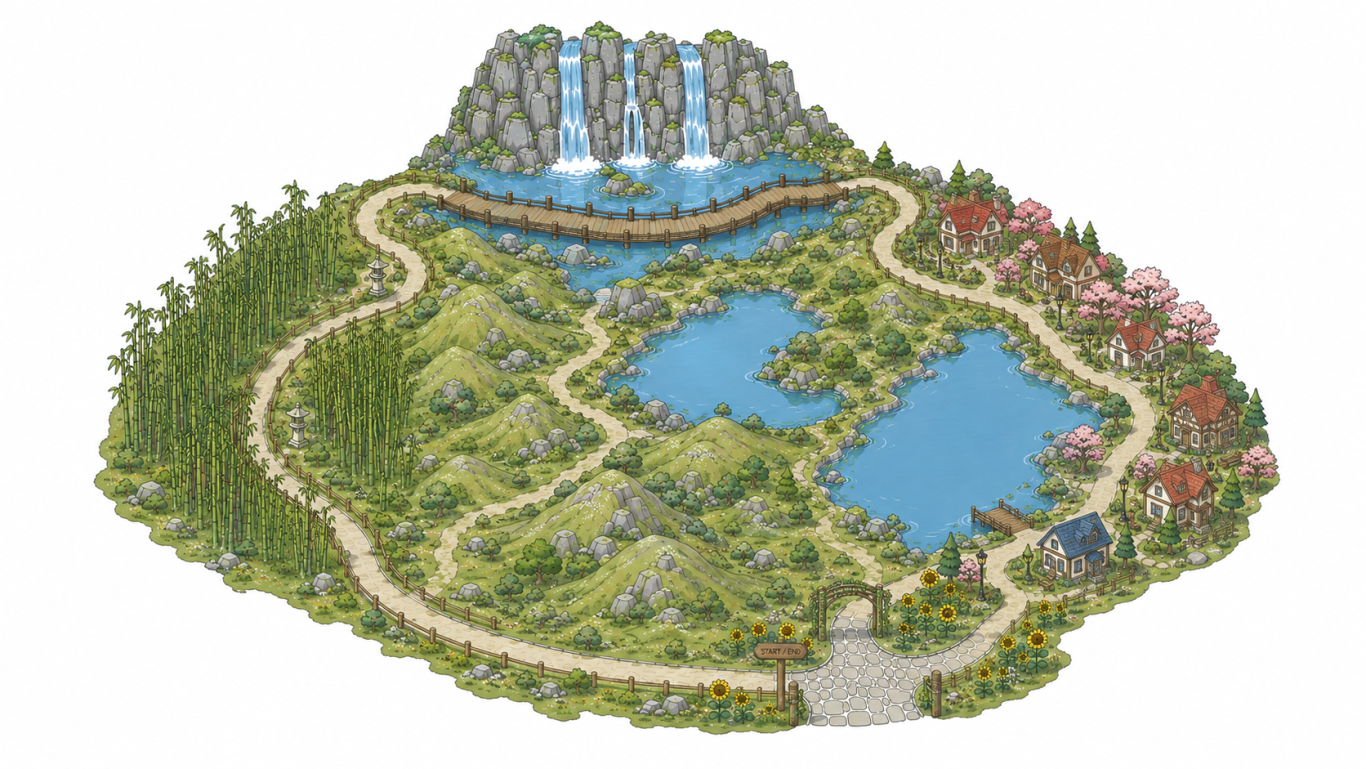
Drawing on Attention Restoration Theory, her team developed immersive VR programs that combine virtual natural environments with guided mindfulness exercises. Covered by three Chinese national patents, the systems allow users to interact with virtual settings—such as tending flowers or boating on a lake—rather than simply watching nature videos.
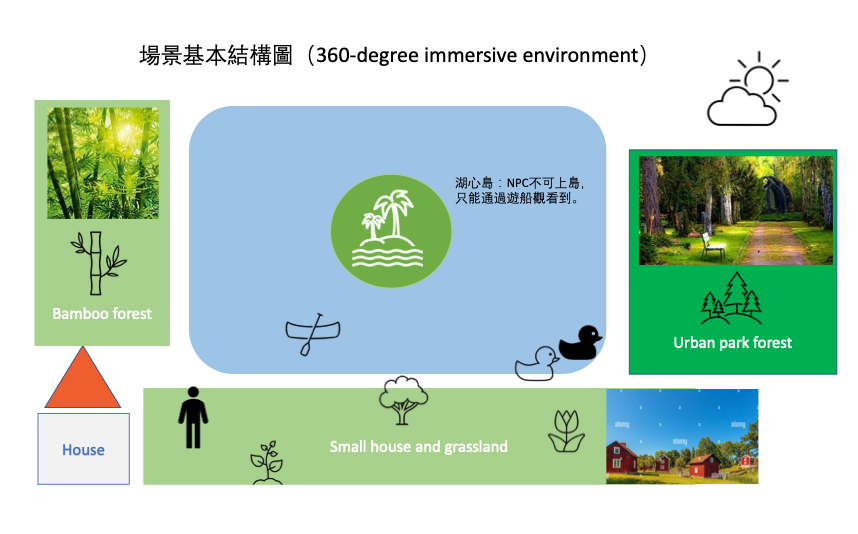
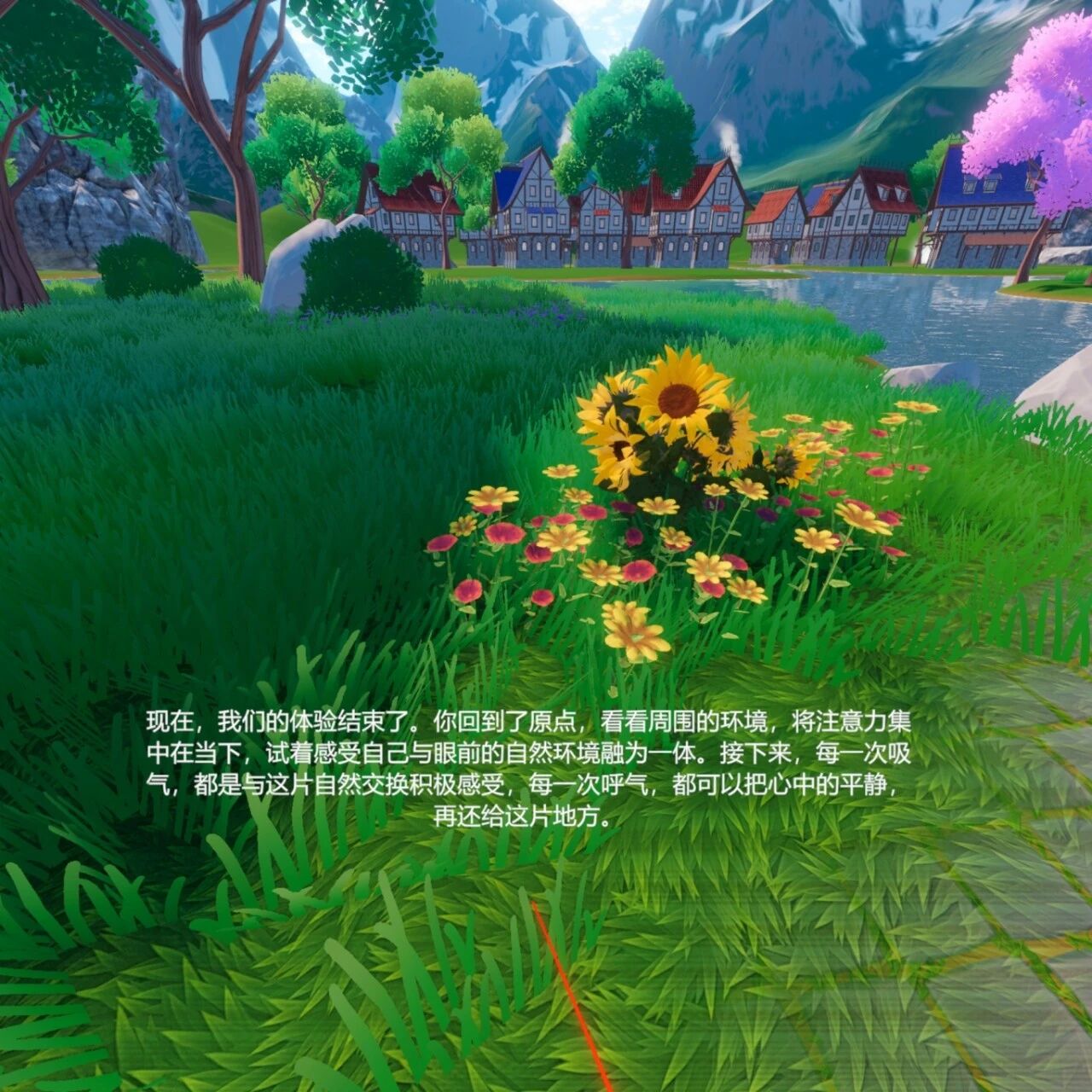
In a controlled study involving cancer patients experiencing pain, participants received standard radiotherapy and chemotherapy, while the intervention group also completed a six-week VR-based mindfulness program. Researchers observed favorable trends in white blood cell counts and inflammation-related indicators in the intervention group. The findings suggest potential benefits from integrating psychological support into cancer care, although further research is needed to establish their clinical significance.
From Research Findings to Real-World Impact
Ma’s work has attracted attention beyond academia. Her research has been referenced by TIME magazine’s Living section, featured by the Oxford Mindfulness Centre and shared through three invited opinion pieces aimed at mindfulness researchers and clinical practitioners worldwide.
For Ma, however, the ultimate value of research lies not in citations alone, but in whether its findings can improve people's lives.
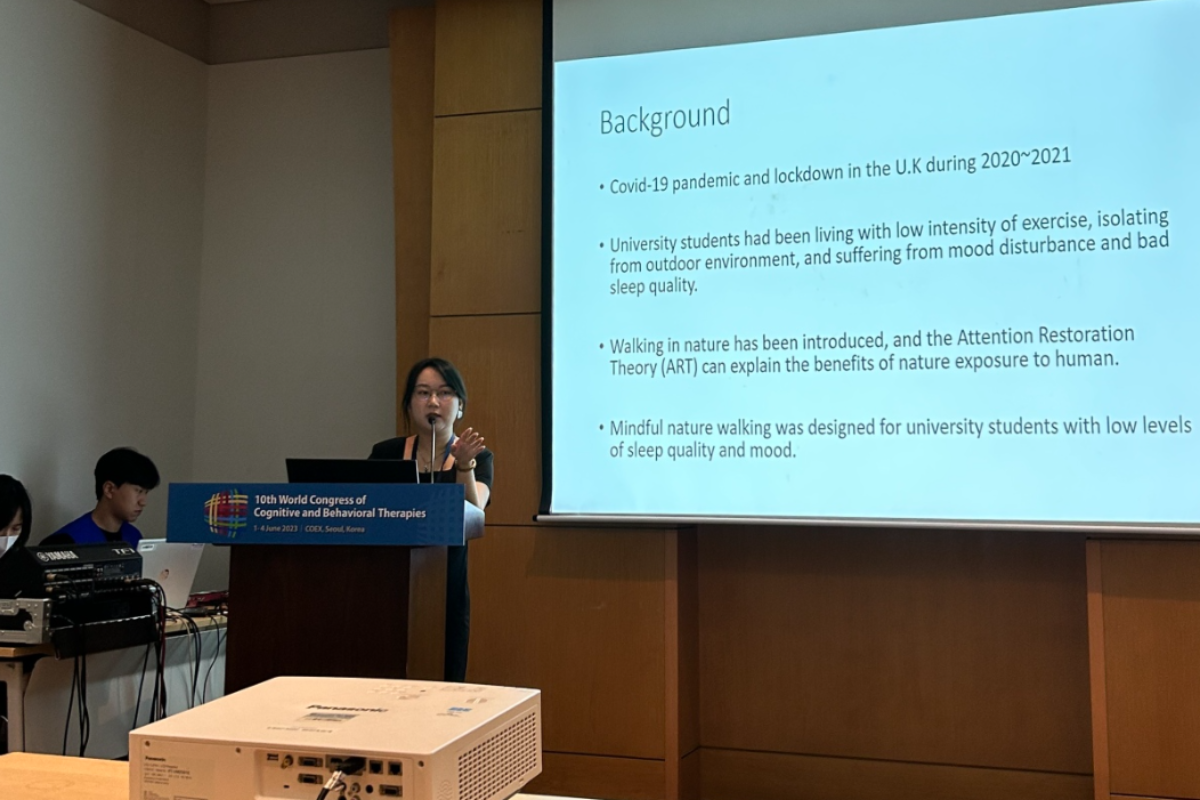
Her team has established clinical collaborations with Wenzhou Seventh People's Hospital and is conducting trials involving adolescents and adults experiencing anxiety. The team also plans to introduce the program as a pilot experience for faculty and students at WKU, with local middle schools expressing interest in using the approach to help students manage exam-related stress.
Meanwhile, the research framework is informing work across several disciplines. Researchers are examining the feasibility of VR-based interventions among adolescents and university students, while scholars in human-computer interaction and environmental psychology are investigating how the design of virtual natural environments and levels of immersion influence mindfulness outcomes. Public health researchers are also exploring how accessible digital tools could be integrated into mental health services on campuses and in communities.
Expanding the Frontiers of Digital Mental Health
Since joining WKU in fall 2025, Ma has also involved undergraduate students in her research, encouraging them to participate in literature reviews, study design, data collection and analysis.
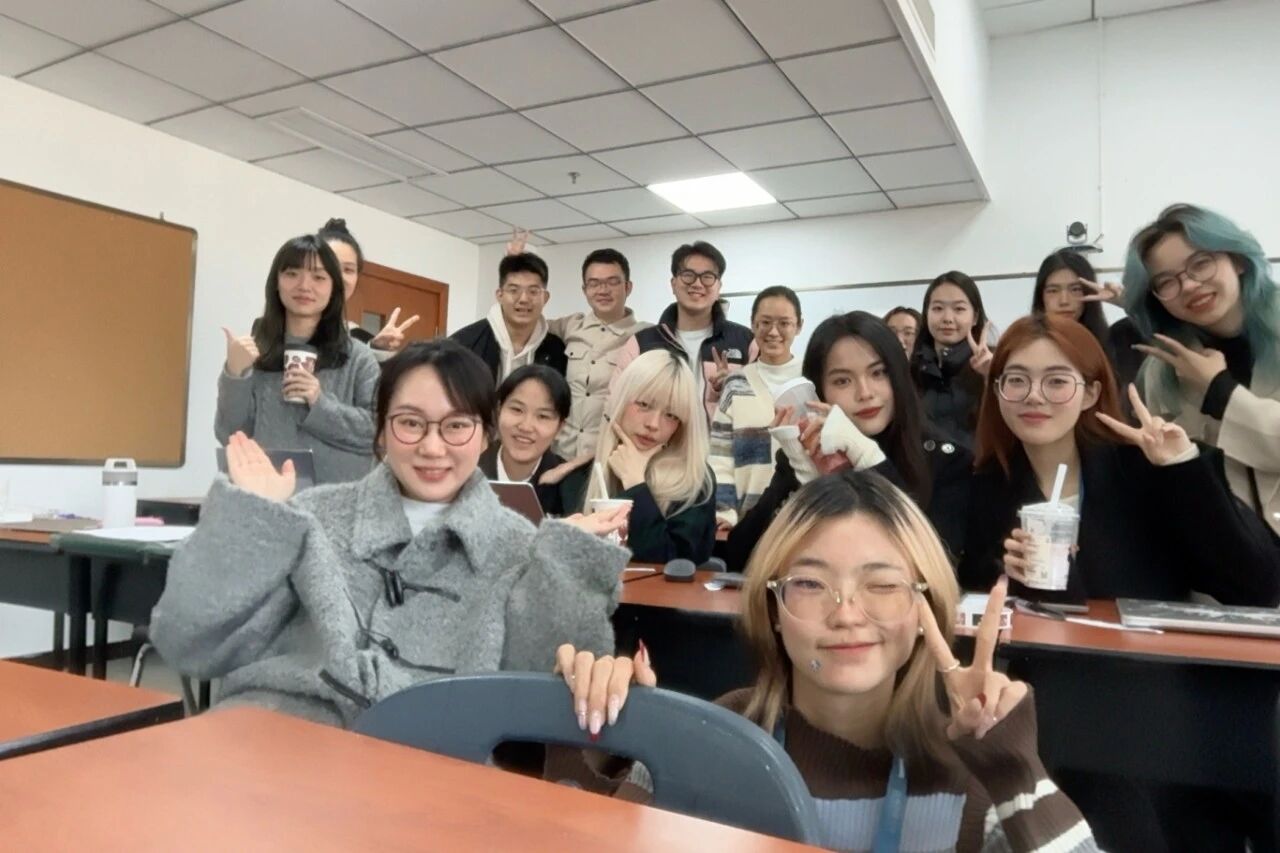
Students from psychology, computer science and statistics contribute different skills to the team, learning from one another as they work across disciplinary boundaries. For Ma, this collaborative process allows students to broaden their expertise while gaining hands-on research experience.
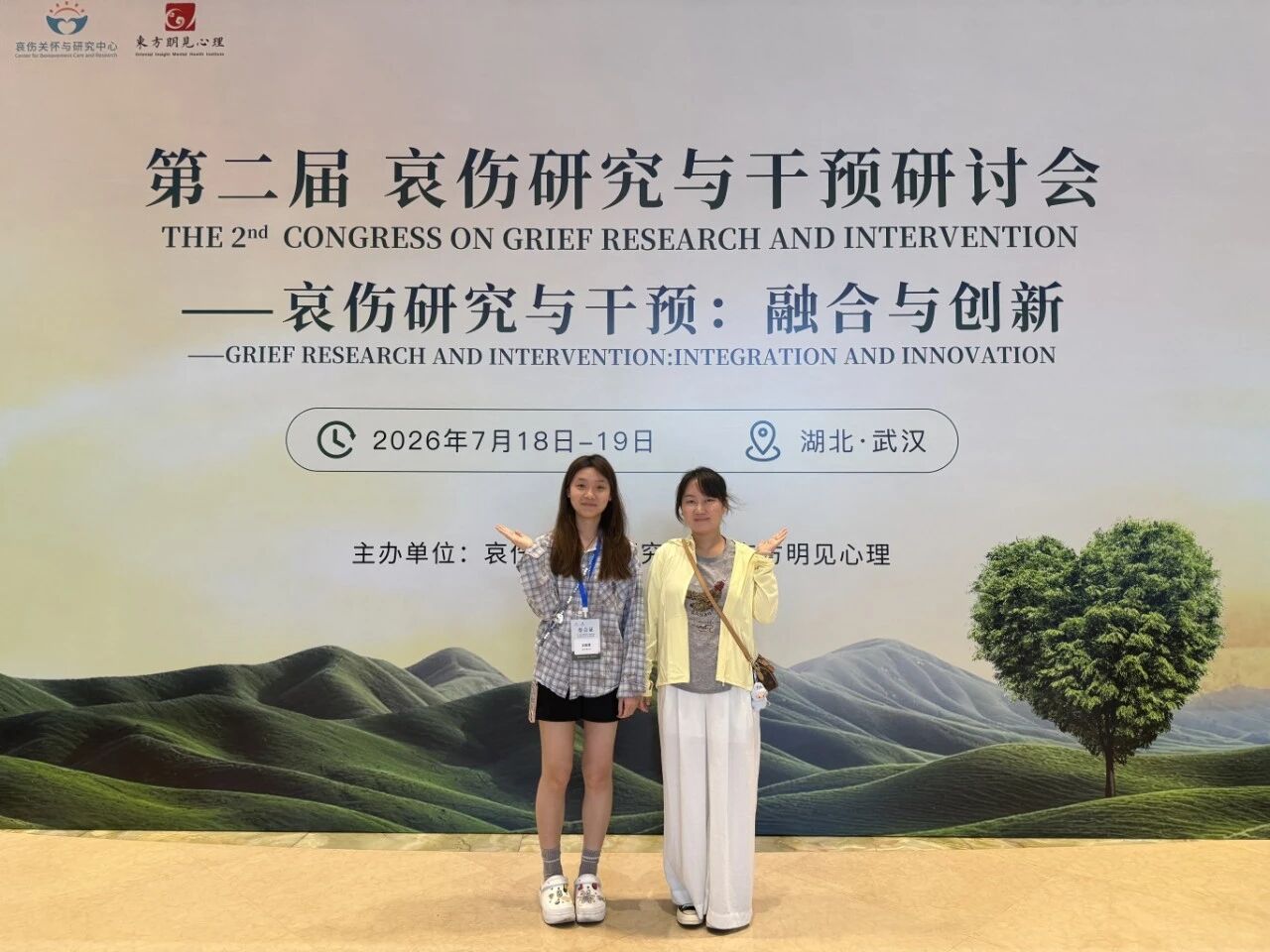
Her team's work is also expanding into climate anxiety, an emerging concern as extreme weather events become more frequent and visible.
To better understand how environmental change affects emotional well-being, the team has developed an ecological momentary assessment (EMA) approach that captures people's emotions in real time. The project combines VR-based nature experiences with environmental science education, aiming both to alleviate negative emotions and to strengthen people's sense of agency in the face of environmental change.
Initial pilot studies have been launched in Zhejiang province, with plans to extend the research to regions vulnerable to extreme weather, including parts of Australia. The longer-term ambition is to make the intervention available through a public-facing application platform.
Ma also sees potential for VR-based interventions to help people with social anxiety and children with autism spectrum disorder practice social interactions in controlled, low-pressure environments. Further research will be needed to determine their effectiveness across different populations.
Research Begins With Curiosity
For young researchers, Ma has a simple message: stay curious, explore boldly and learn to embrace uncertainty.
In an academic environment where success is often measured through numerical indicators and measurable outcomes, students can become discouraged when their findings are not statistically significant. Ma encourages them to see such results not as failures, but as part of the process of scientific discovery.
“The primary goal of research is to seek the truth, not to pursue statistical significance,” she says.
She often compares research to detective work: once incorrect explanations have been ruled out, the remaining possibility — however unexpected — deserves careful examination and further verification.As psychology becomes increasingly interdisciplinary, she hopes to strengthen collaboration across fields and translate rigorous research into practical solutions. Her ultimate goal is to use technology not as an end in itself, but as a means of making mental health support more accessible to those who need it.