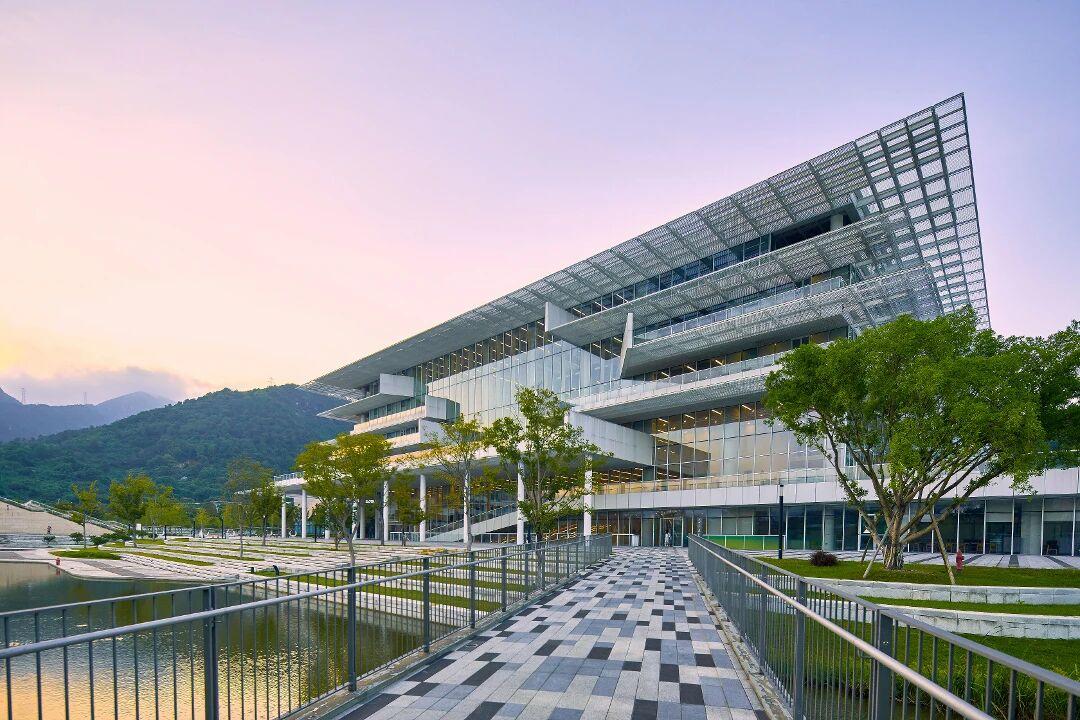
Faculty Member Ronald Sin-Yeang Teow of the College of Science and Engineering Named Among the World’s Top 2% Scientists for Four Consecutive Years: How Nanomedicine Lights Up Hope for Colorectal Cancer Patients
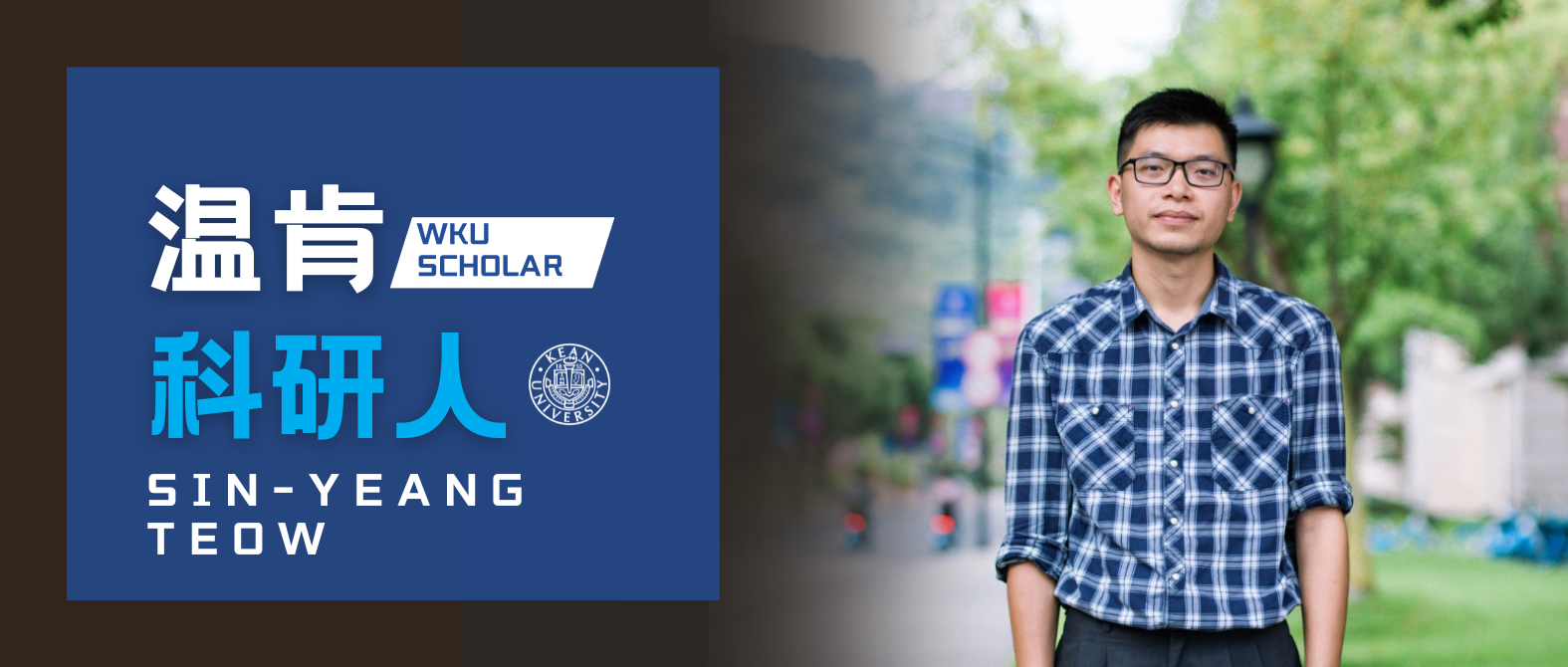
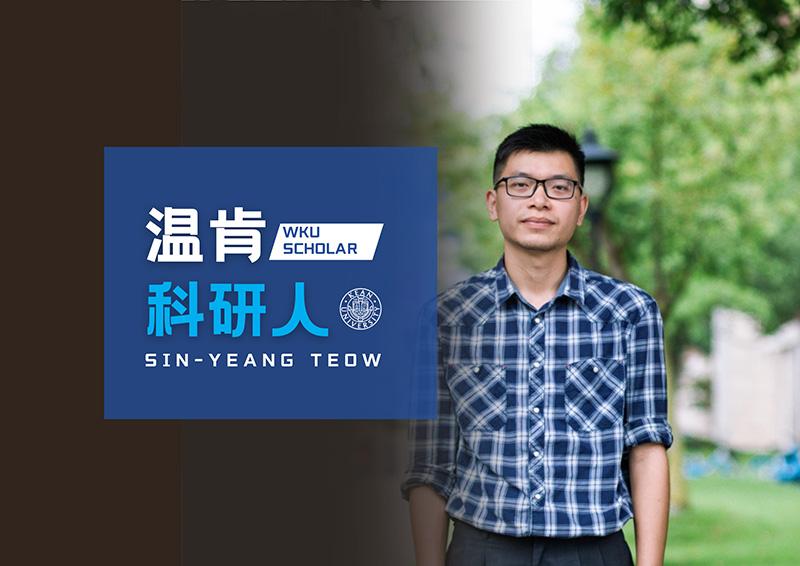
Recently, Professor Sin-Yeang Teow (Ronald) of Wenzhou-Kean University was once again included in the annual “World’s Top 2% Scientists” list jointly released by Stanford University and Elsevier. This marks his fourth consecutive year on the list since 2022. The list is based on the Scopus database and employs a comprehensive assessment of multiple metrics, including research output, h-index, and citations, aiming to objectively reflect scientists’ long-term academic influence.
Professor Ronald currently serves as an Associate Professor in the Department of Biology, College of Science, Mathematics and Technology, Wenzhou-Kean University. He received his PhD in Molecular Virology and Oncology from Universiti Sains Malaysia in 2015 and subsequently conducted postdoctoral research at the National Institutes of Health, Malaysia, focusing on the pathogenic mechanisms of Epstein-Barr virus (EBV) in the development of nasopharyngeal carcinoma. Prior to joining Wenzhou-Kean University in spring 2023, he served as an Associate Professor at Sunway University, Malaysia, and received the Vice-Chancellor’s Early Career Researcher Award. To date, he has published more than 76 peer-reviewed academic papers, along with one patent and several invited book chapters, and has long served as a reviewer for top journals such as Molecular Cancer and Carbohydrate Polymers.
Dr. Ronald Teow’s research team is committed to establishing a comprehensive closed-loop research framework—spanning from basic material synthesis to pre-clinical translational validation. Their core research layout is primarily organized around three principal pillars:
Advanced Nanotherapeutics: The team is dedicated to developing and optimizing novel nano-drug delivery systems. Key research areas include the design and application of nanocarriers such as layered double hydroxides (LDHs) and polymer nanogels.
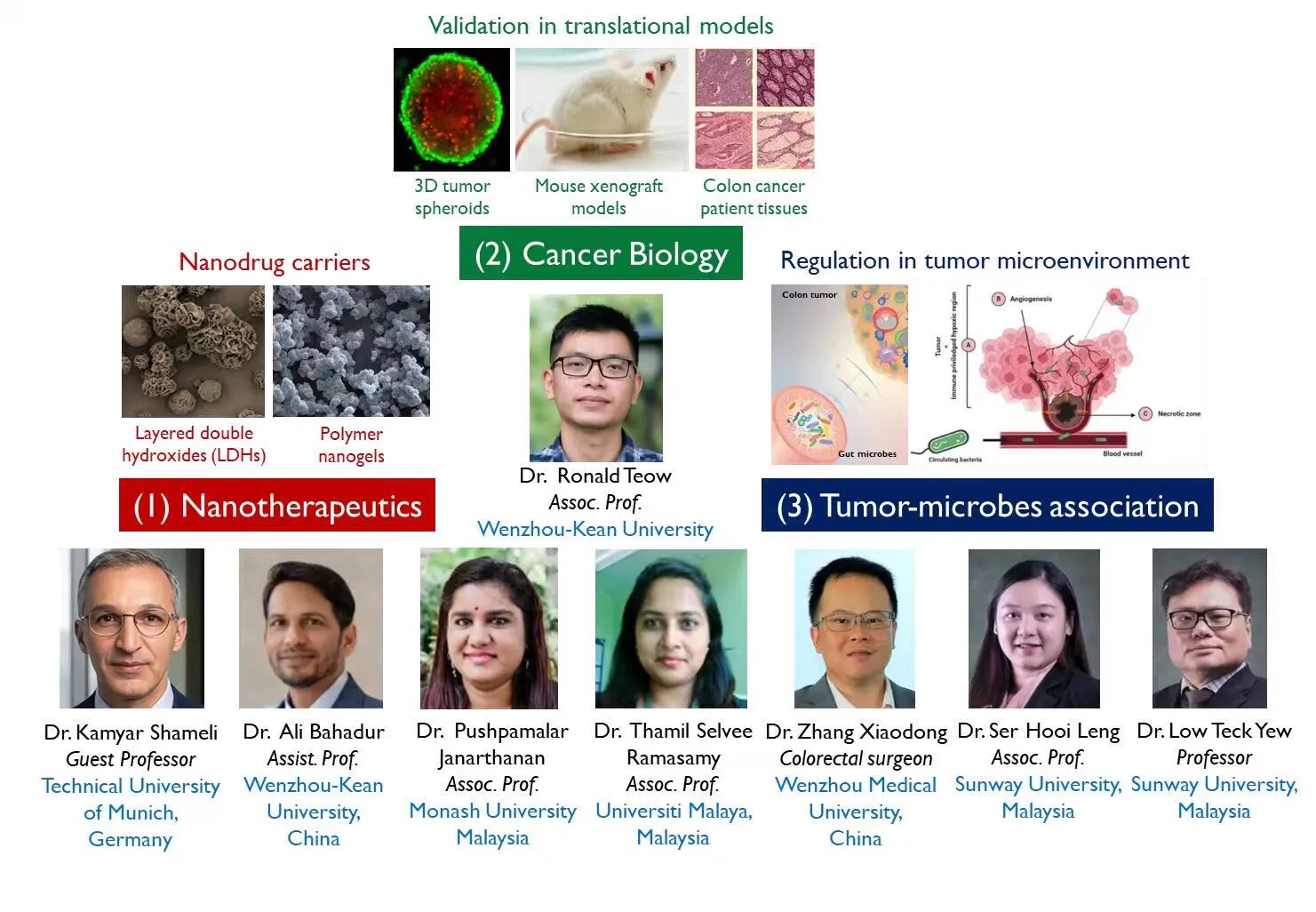
Translational Cancer Biology: To bridge the gap between basic research and clinical applications, his team employs not only conventional 2D cell cultures but also extensively utilizes 3D tumor spheroids, mouse xenograft models, and patient-derived colorectal cancer tissues to validate the efficacy of therapeutic strategies, thereby ensuring the clinical translational potential of research findings.
Tumor–Microbe Association: The team investigates the complex regulatory mechanisms within the tumor microenvironment (TME), with particular focus on the interactions among gut microbiota, circulating bacteria, tumor angiogenesis, and necrotic regions during tumor initiation and progression.
Furthermore, Dr. Ronald Teow leads a highly international and interdisciplinary collaborative team, comprising leading scholars from China, Malaysia, and Germany, and deeply integrating the expertise of basic scientists with that of clinical colorectal surgeons (e.g., Dr. Zhang Xiaodong at Wenzhou Medical University). This multidimensional cross-disciplinary background—integrating materials science, biology, and clinical medicine—is driving his team to achieve continuous breakthrough progress in nano-anticancer research and precision medicine.
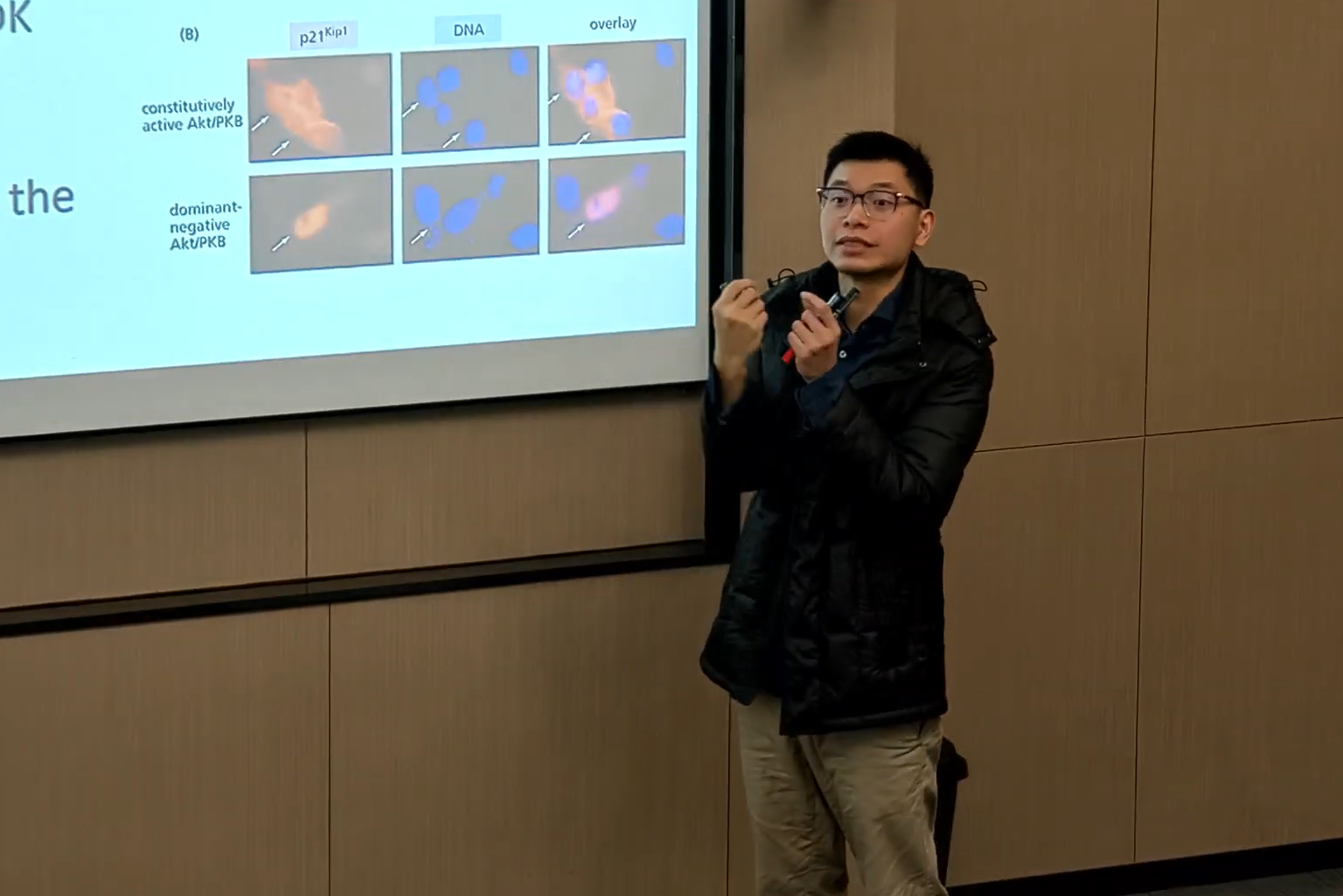
Professor Ronald’s research focuses on "engineered nanotherapeutics"—specifically, the development of potent nano-anticancer therapies and nanocarriers targeting solid tumors, with a particular emphasis on colorectal cancer, utilizing both in vitro and ex vivo culture models. In essence, the objective is to enable anticancer agents to target tumors more precisely and act more effectively, while minimizing collateral damage to normal tissues.
Chemotherapy is a critical treatment modality for colorectal cancer; however, conventional chemotherapeutics lack tumor specificity, indiscriminately killing both tumor cells and normal cells. This results in severe side effects and the eventual development of drug resistance over time. The approach adopted by Professor Ronald's team involves encapsulating the conventional chemotherapeutic agent 5-fluorouracil (5-FU) within nanoparticles to construct targeted drug-delivery "nanocarriers." These nanoparticles function as "dedicated vehicles" that transport and release the drug in the vicinity of the tumor. They are pH-responsive, enabling enhanced drug release at the tumor site while minimizing release in normal tissues, thereby improving therapeutic efficacy and reducing systemic toxicity.
Experimental results demonstrate that this "nano-formulated" drug is more effective than free drug administration alone. His team's accumulated expertise in this field has yielded tangible outcomes: their paper published in the core journal Carbohydrate Polymers has an impact factor exceeding 11. In recent years, they have also successively reported studies on copper-aluminum layered double hydroxides (Cu-Al LDHs) loaded with 5-fluorouracil inducing oxidative stress, mitochondrial membrane depolarization, and apoptosis in colorectal cancer cells, as well as the inhibitory effects of various nanosystems—such as silver complexes, copper complexes, and bismuth oxide nanoparticles—on colorectal cancer cells.
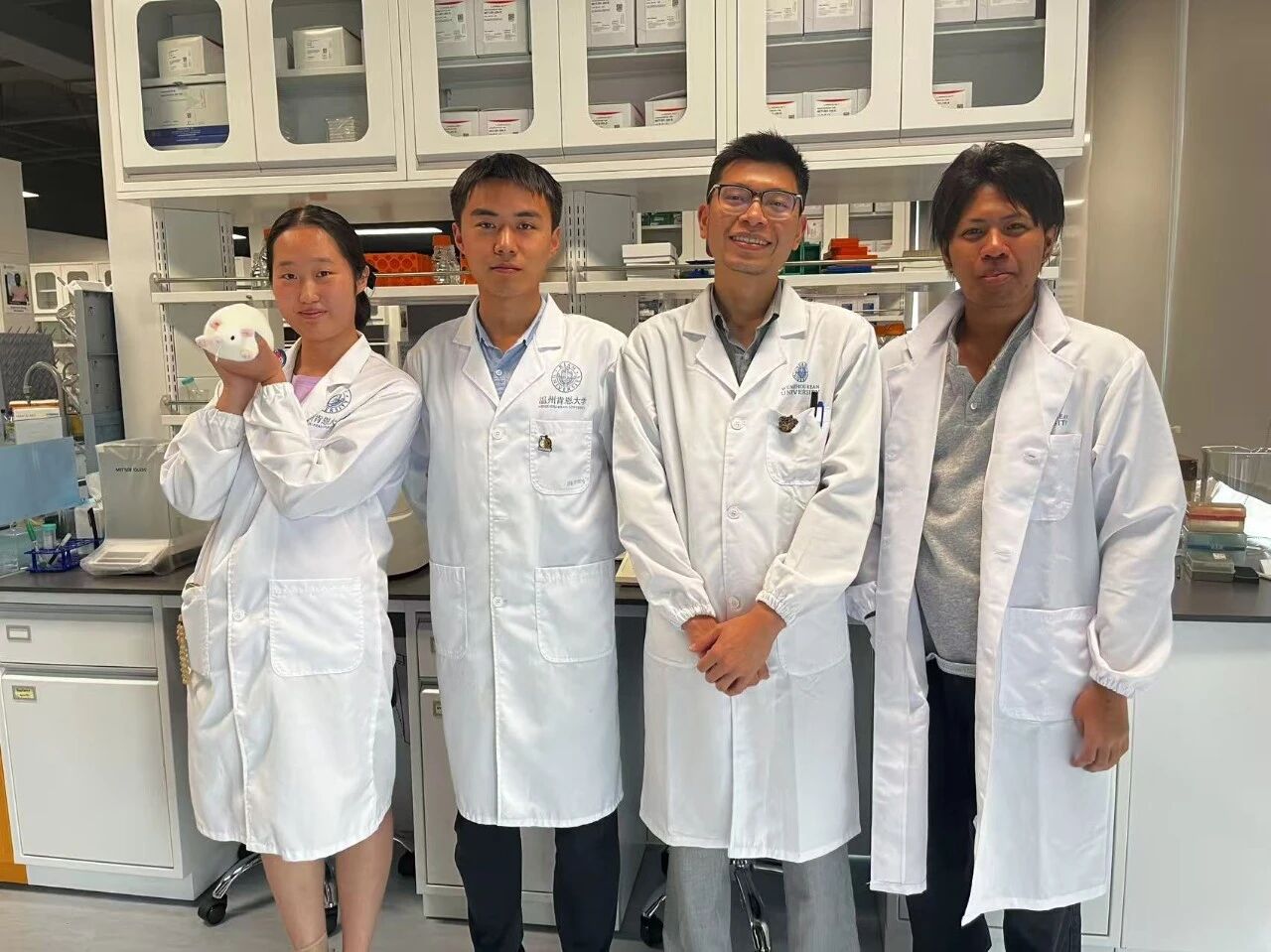
Further investigations revealed that this nanomedicine can combat cancer cells through a multi-pronged approach: it not only "poisons" the cancer cells and disrupts their essential energy factories (mitochondria), but also induces active apoptosis and inhibits their proliferation. Furthermore, it attenuates the "survival signals" of cancer cells and reactivates the body's endogenous tumor-suppressive mechanisms, thereby suppressing tumor growth from multiple angles. To address the most formidable clinical challenge of drug resistance, the team specifically cultured drug-resistant cancer cell lines to observe how tumors gradually "adapt" and acquire resistance, which has paved the way for next-step strategies to overcome drug resistance. They have also attempted to develop this nanomaterial into a "multi-functional agent" that can inhibit various bacteria in addition to its anticancer properties.
Professor Ronald stated that the team has also begun exploring the utilization of the tumor microenvironment (TME)—such as modulating commensal gut microbiota—to further enhance therapeutic efficacy. This could serve as a two-pronged strategy, holding the promise of simultaneously addressing the dual challenges of "precision" and "efficacy."
Professor Ronald candidly acknowledges that translating laboratory findings into therapeutics that genuinely benefit patients is a lengthy yet urgent journey, one that is often fraught with various real-world challenges. Yet, he remains undaunted. “I have always believed that as long as we resolutely advance toward our goals, these challenges will not deter us. On the contrary, they will equip us with the experience and skills necessary to conduct research more efficiently.”
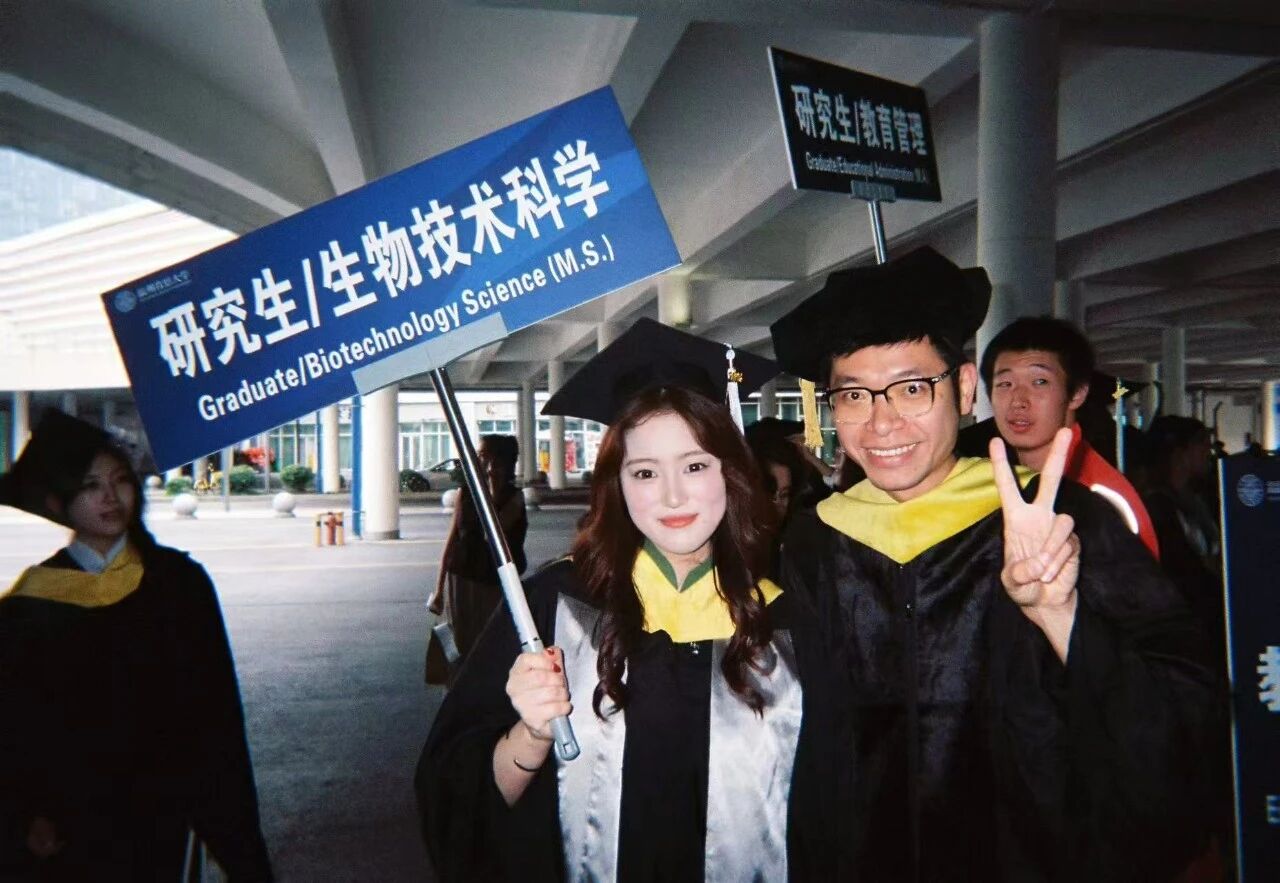
In an era when teaching and research are frequently framed as mutually exclusive, he offers a different perspective: teaching does not impede research; rather, it is a valuable asset—imparting knowledge to students is simultaneously a process of deepening one's own understanding. In the classroom, he frequently encounters students with a genuine passion for research; with proper guidance, they can sometimes contribute refreshing, novel ideas that prove highly valuable to research projects. The courses he teaches encompass General Biology, Histology, Cancer Biology, as well as graduate-level courses such as Molecular Biology of Cancer and Molecular and Cellular Techniques. In his daily routine, teaching and research are by no means isolated, parallel tracks.
Regarding the accolade of being named among the "World’s Top 2% Scientists," Professor Ronald maintains a commendable level of objectivity. He views this list as merely one of many metrics for gauging academic influence, rather than the ultimate benchmark of a scientist’s accomplishments. He places greater emphasis on the societal value of research, "More critically, it is whether our work can bring about meaningful societal change. For me, this entails striving to translate scientific discoveries into clinical applications."
Looking ahead, he speaks with conviction, stating that he will continue to resolutely advance toward his goals—rigorously evaluating scientific questions, generating robust and compelling evidence, and continuously refining methodologies. He harbors a humble aspiration: "I hope that one day, some of our work will make a positive and tangible difference in the lives of patients."
He is a scientist who transforms honors into motivation and weaves his ideals into everyday practice. Under the lights of the laboratory, behind the classroom lectern, and along the translational pathway to clinical application, Professor Ronald and the research team at Wenzhou-Kean University are leveraging the infinitesimal scale of nanotechnology to safeguard the profound weight of human life.
- Faculty Member Ronald Sin-Yeang Teow of the College of Science and Engineering Named Among the World’s Top 2% Scientists for Four Consecutive Years: How Nanomedicine Lights Up Hope for Colorectal Cancer Patients
- International Faculty and Students at WKU Experience Traditional Chinese Wellness
- Wenzhou-Kean University climbs 229 places in QS Asia rankings