International Faculty and Students at WKU Experience Traditional Chinese Wellness
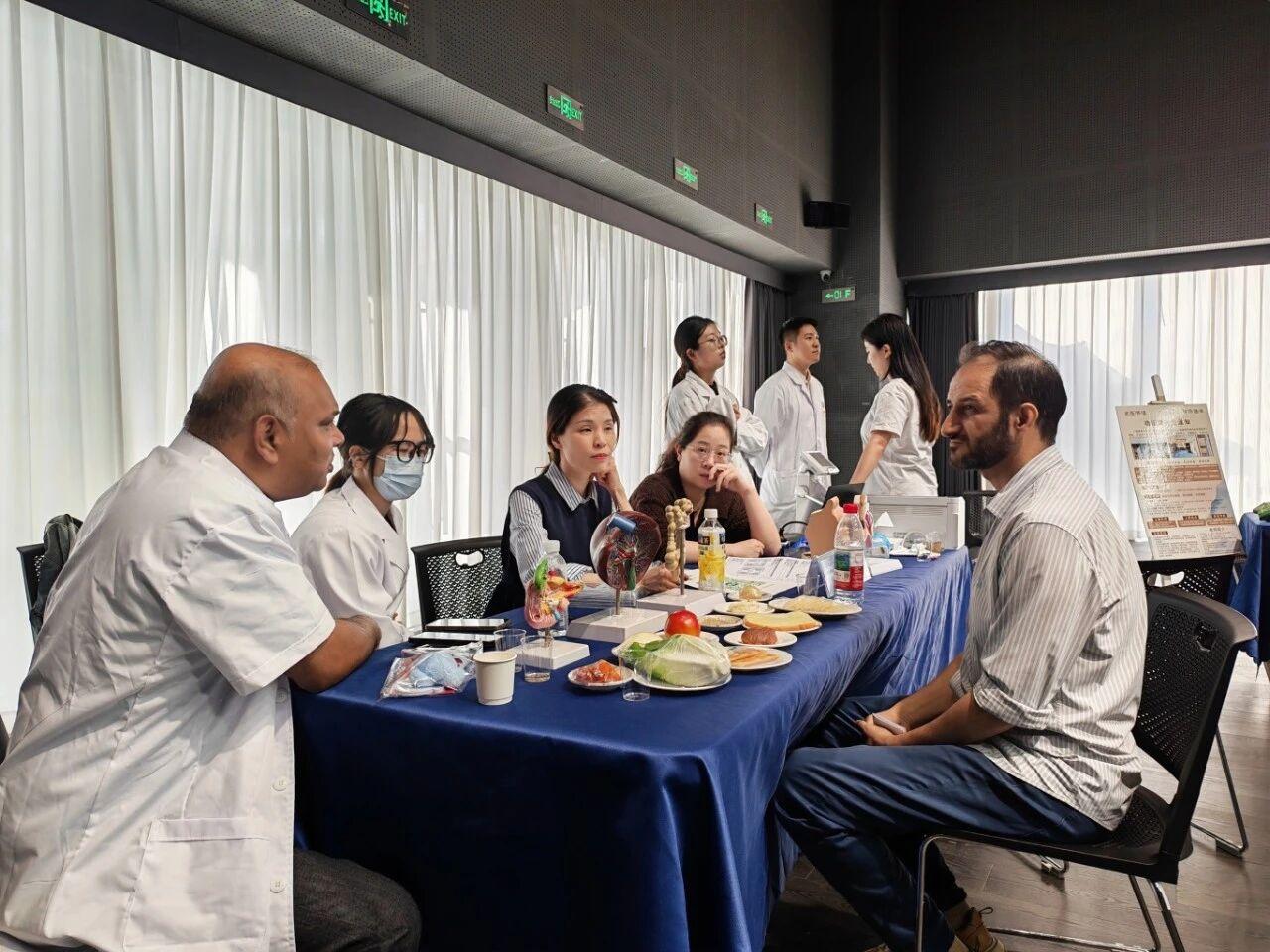
Recently, the Red Cross Club, the Medical Office of the Logistics Department and the Faculty Union at Wenzhou-Kean University (WKU) jointly hosted a “Health Market” on campus, inviting experts from several medical institutions to provide health services and cultural experiences.
The TCM (Traditional Chinese Medicine) experience zone was the biggest draw for international faculty and students. Participants lined up to try pulse diagnosis, tuina massage, gua sha, and ear acupressure, while a light herbal aroma filled the booths.
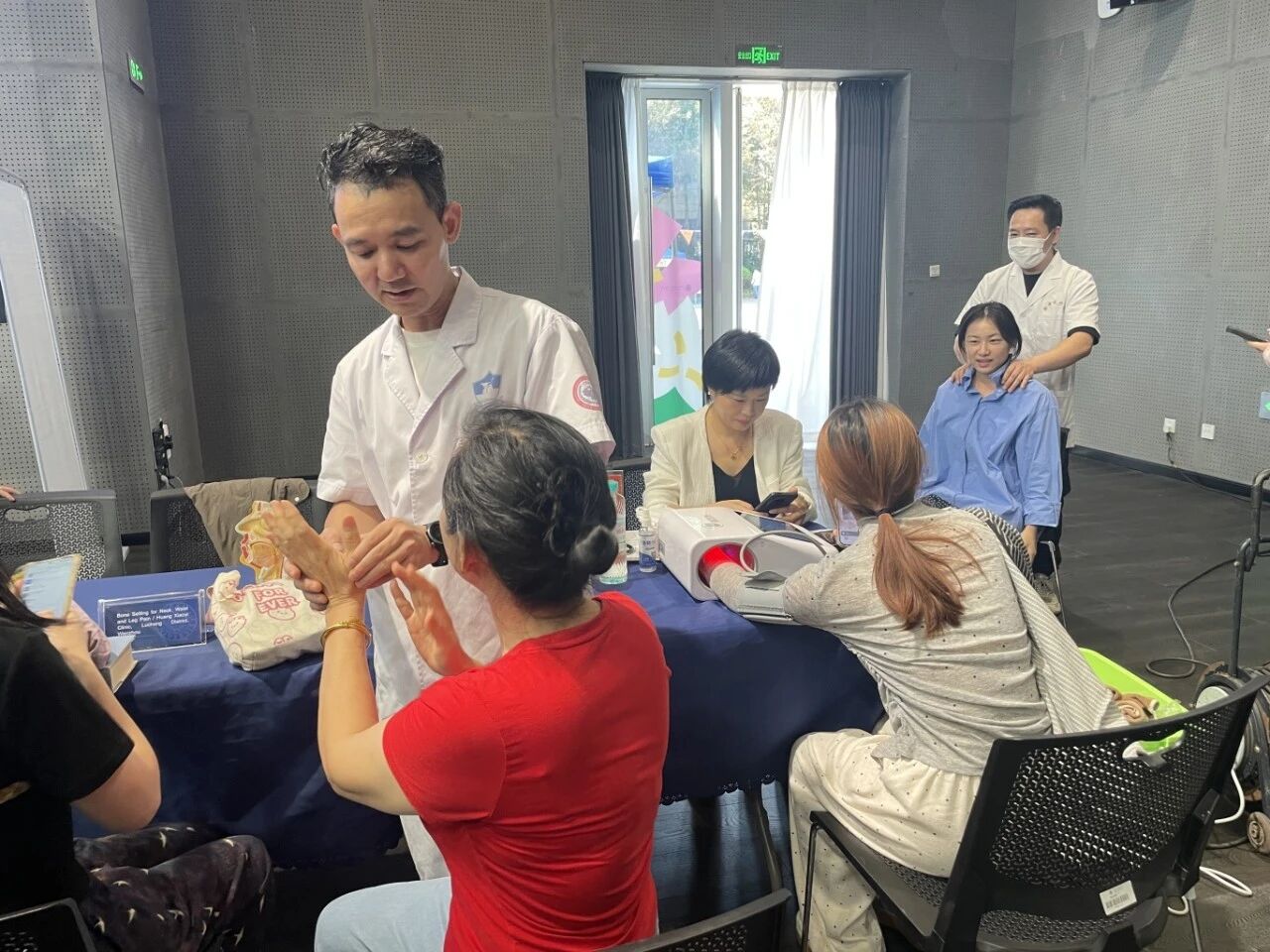
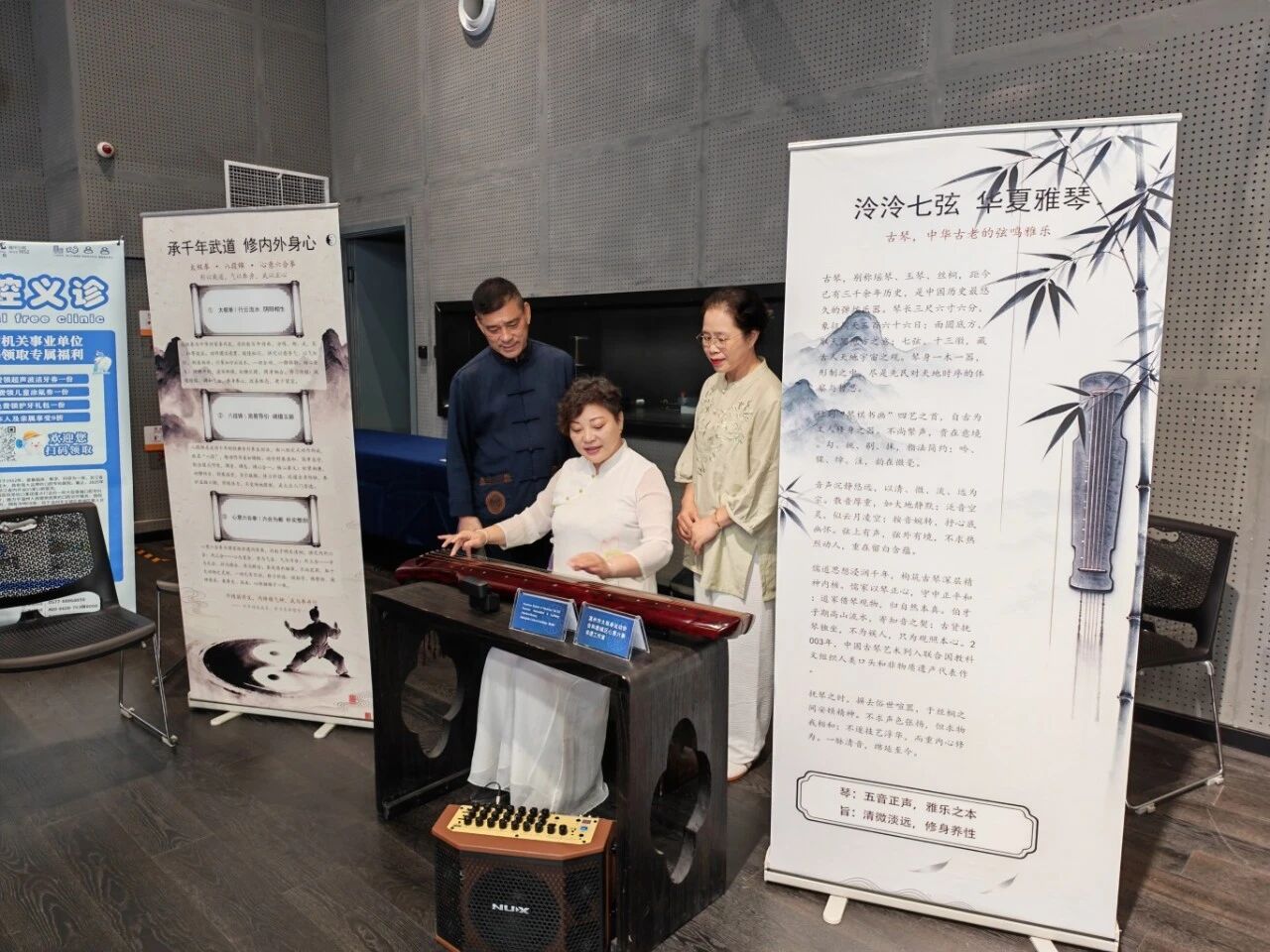
A range of cultural activities showcasing traditional Chinese approaches to health and wellness were also held alongside the treatments. Participants sampled herbal tea, learning about the traditional Chinese belief that food and medicine share the same origins; ground spices by hand and made scented beads, exploring traditional Chinese aromatherapy; and took part in Liuhe Quan martial arts and guqin sessions, which offered contrasting ways of exploring the Chinese philosophy of nurturing both body and mind. Many international students used their phones to record the experience.
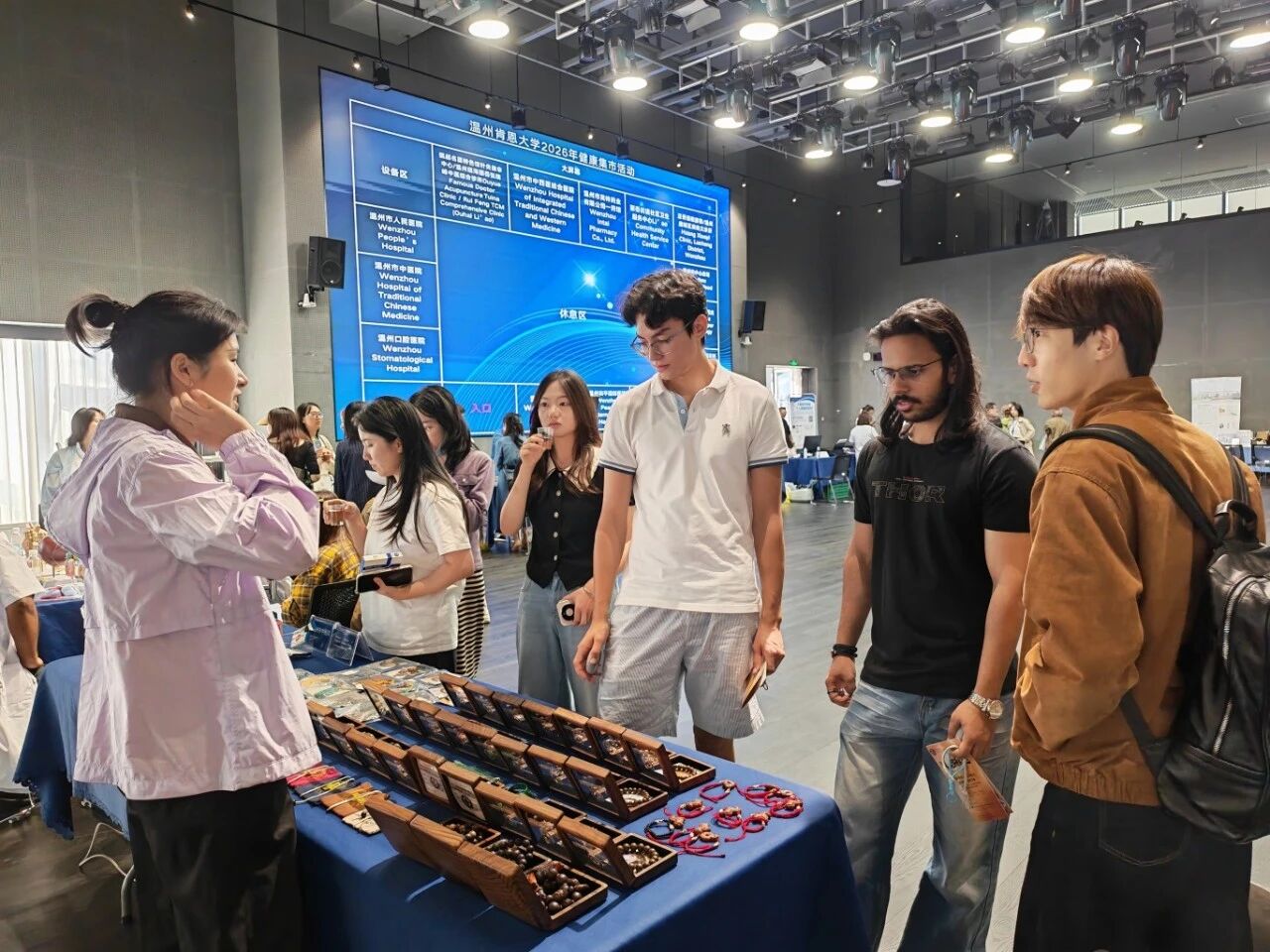
Notably, international doctors from Wenzhou People’s Hospital were also on site to provide bilingual health consultations for international faculty and students. What they had previously encountered as abstract knowledge in textbooks became a tangible, hands-on experience, with TCM serving as a window for them to learn more about China and its culture.
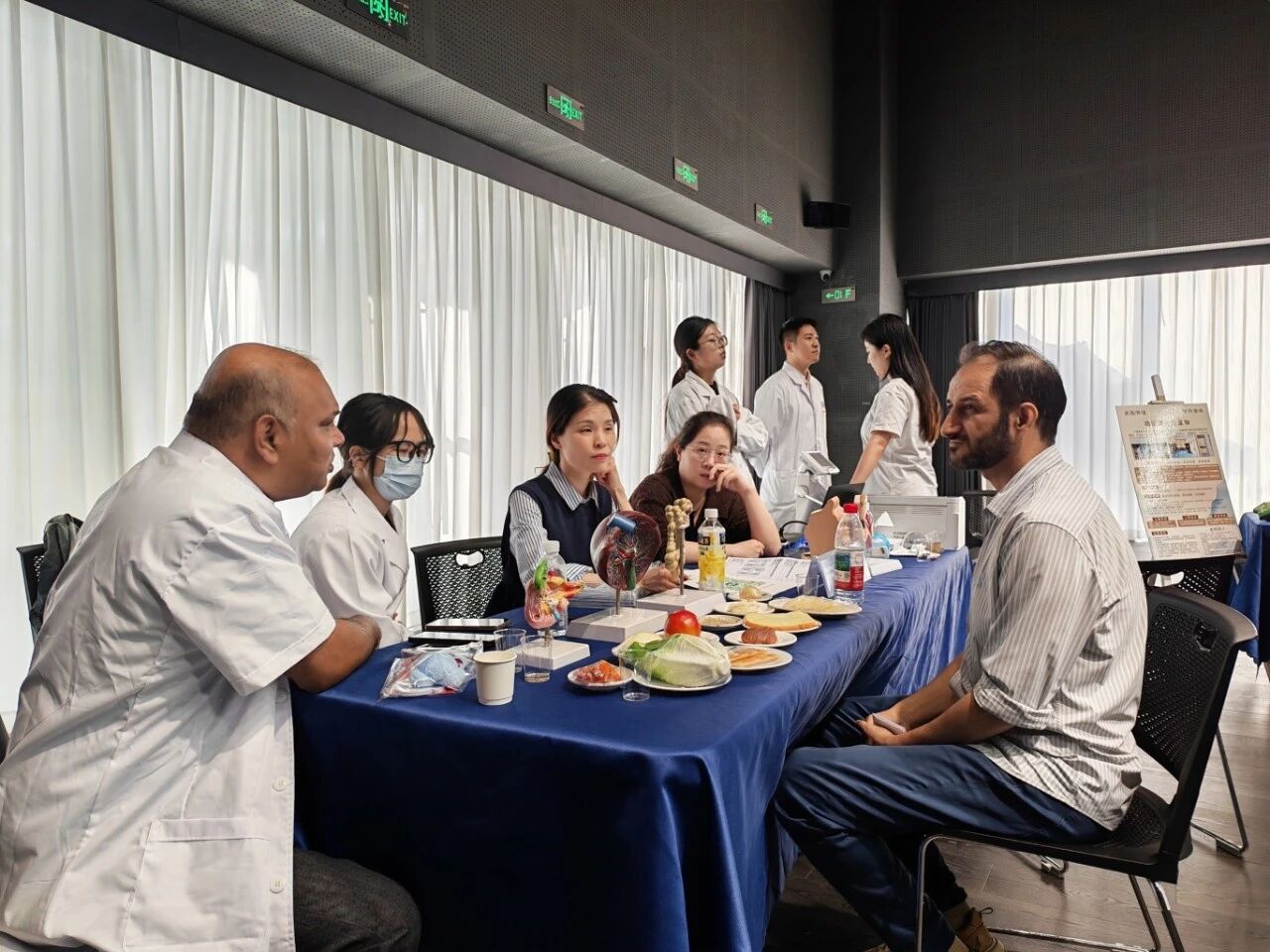
Short health talks were another popular part of the event. Focusing on topics such as TCM wellness and the traditional Chinese belief that food and medicine share the same origins, the 15-minute sessions used simple, accessible language to introduce traditional Chinese approaches to living in harmony with the seasons and caring for the body and mind. The talks created an open and relaxed setting for cross-cultural learning and exchange.
As a university jointly established through Chinese and US cooperation, WKU used TCM and traditional Chinese wellness culture as a bridge for cross-cultural exchange, turning the Health Market into a welcoming platform for international and Chinese faculty and students to connect.
The event not only promoted the physical and mental well-being of faculty and students, but also provided an opportunity for cultural exchange and mutual understanding, reflecting WKU’s open and inclusive campus culture. Going forward, the university’s Red Cross Club will continue to work with professional partners to provide more opportunities for international faculty and students to experience TCM and traditional Chinese wellness culture firsthand.
English Translation: Kexuan Jiang