WKU Scholar | Rethinking Collectivism: A New Approach from WKU Research
For years, cross-cultural psychologists have faced a longstanding puzzle: East Asian societies are often seen as more collectivistic, but some surveys have yielded higher collectivism scores for Western societies.
A recent study, with Dr. Alexander S. English of Wenzhou-Kean University serving as a core collaborator, published in Nature Human Behavior, suggests that the issue may come from how collectivism is measured.
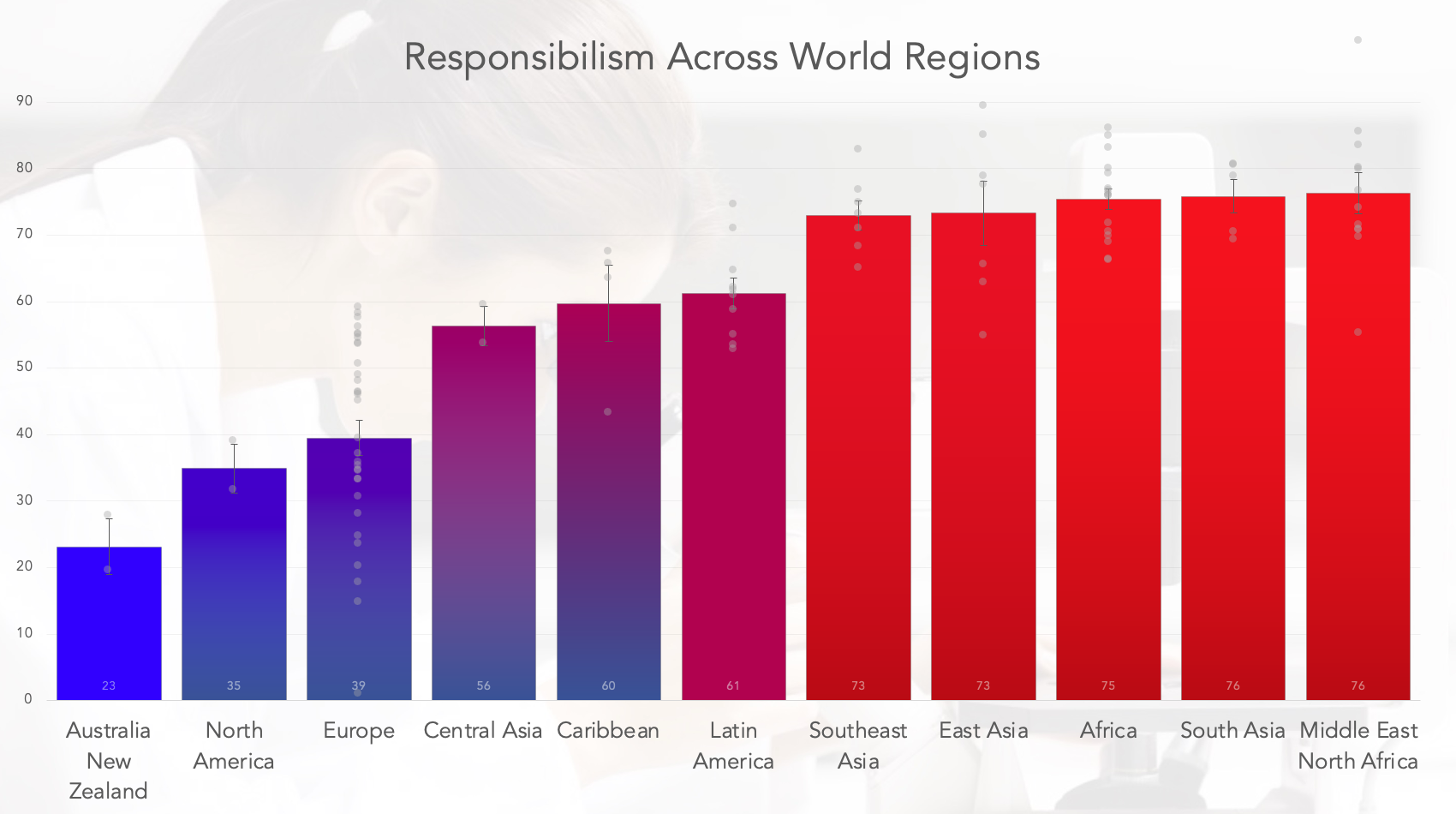
The researchers found that many traditional surveys mix two different things: general warmth toward other people and responsibility within close relationships. Western participants often score higher on general warmth, which can push up their overall collectivism scores.
To better explain this difference, the team introduced Responsibilism. Instead of only asking how collectivistic a person is, Responsibilism looks at the responsibilities people feel toward others in different relationships.
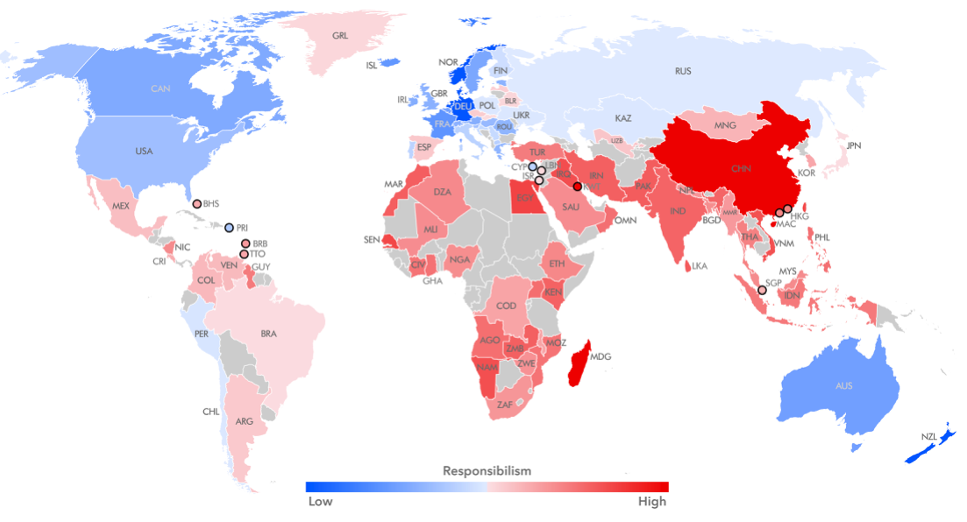
These responsibilities can change depending on how close the relationship is. This idea is connected to Chinese sociologist Fei Xiaotong’s differential mode of association (chaxu geju).
The researchers tested this idea in 45 languages, with 12,247 participants from 100 cultural regions. The results showed clear differences between Eastern and Western cultures. They also suggested that relationship-based responsibility may explain some cultural differences better than traditional collectivism measures.
The team has also developed a 14-item Responsibilism Scale, which is now available to researchers around the world. Dr. English and his collaborators plan to keep studying how culture and interpersonal relationships shape human behavior.

About Dr. Alexander S. English
Dr. English received his Ph.D. in applied psychology from Zhejiang University. His research focuses on cross-cultural adaptation and intercultural communication.
He has published more than 60 peer-reviewed papers in international SSCI journals and has received awards from the International Association for Cross-Cultural Psychology (IACCP) and the Asian Association of Social Psychology (AASP).
Besides, he has received support from the National Natural Science Foundation of China under the Foreign Excellent Young Scientists Fund for a project running from 2026 to 2027.
Sept 22, translated by Zhengnan Zhang