University-Industry Collaboration | Making Buildings Think: WKU Professor Liu Xuesong’s Team Wins National First Prize in “Data Elements ×” Competition
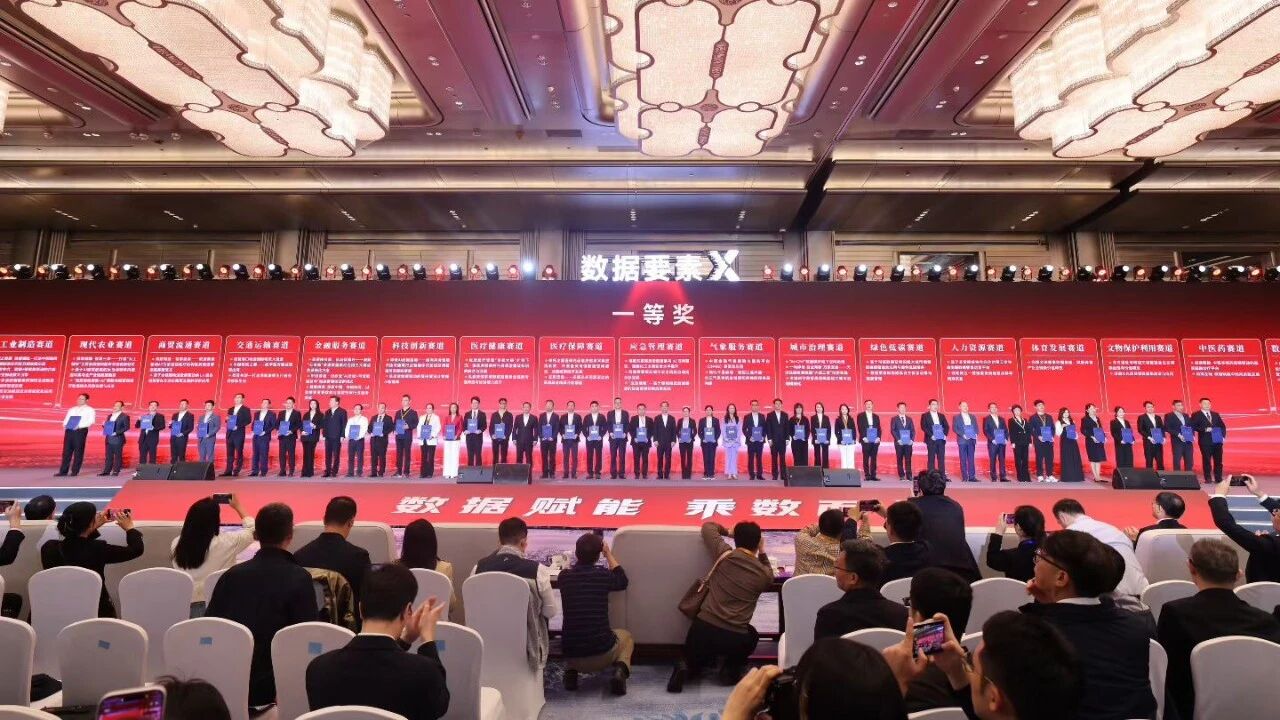
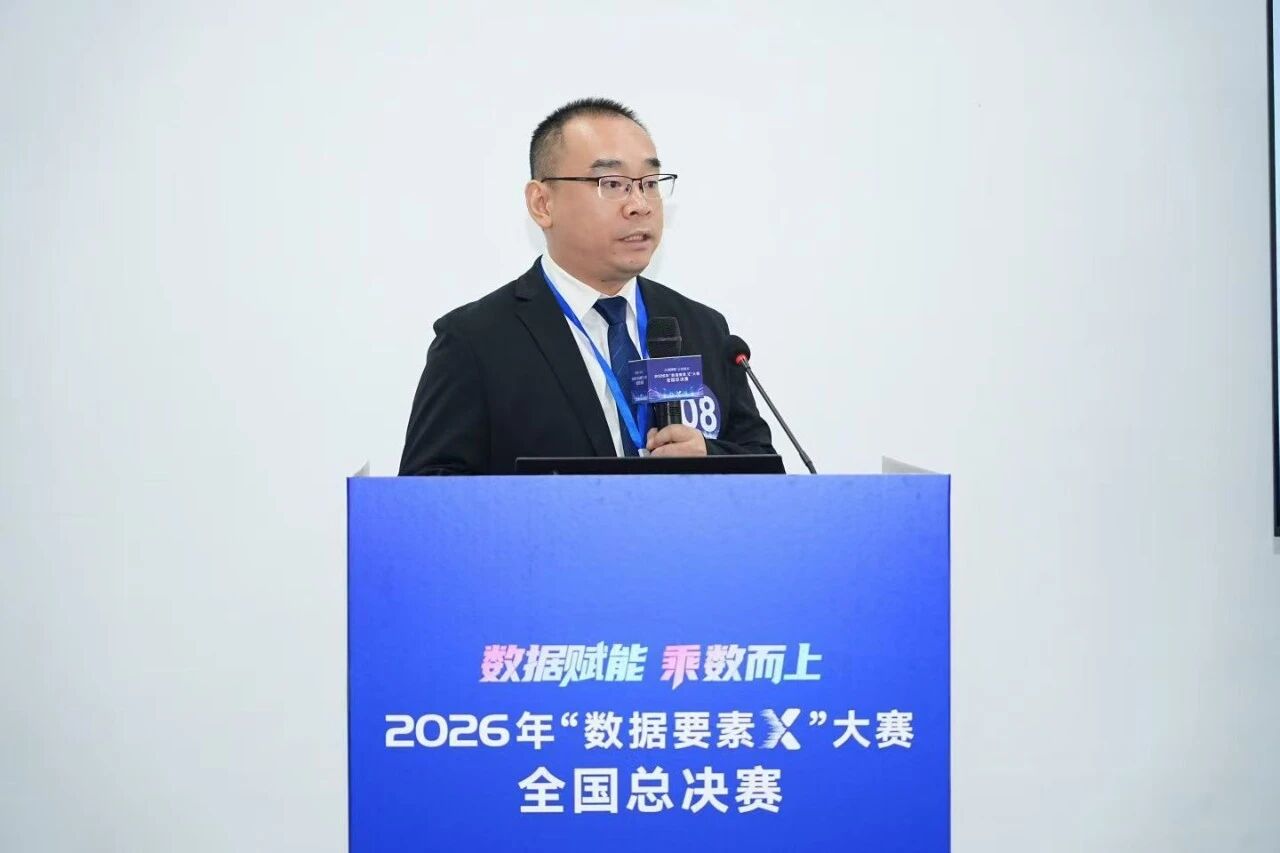
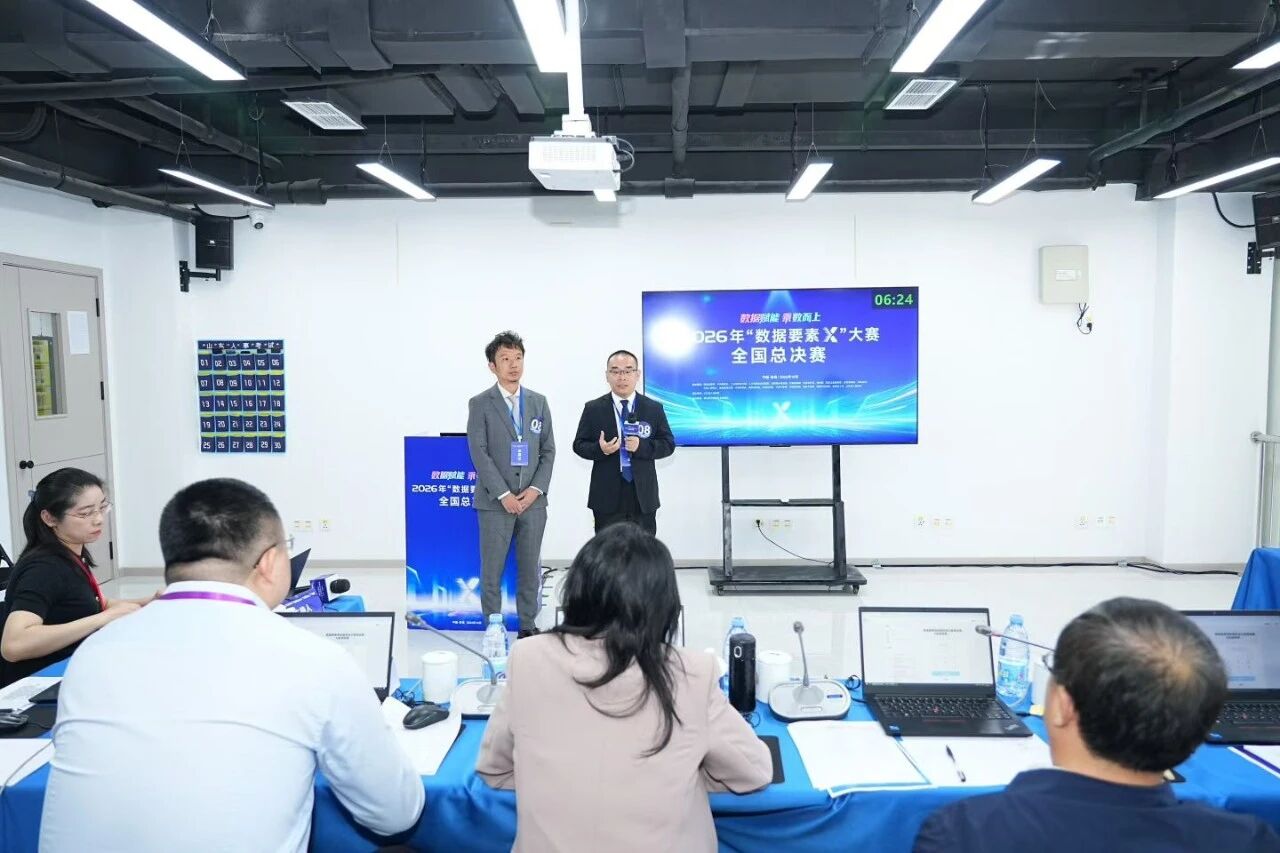
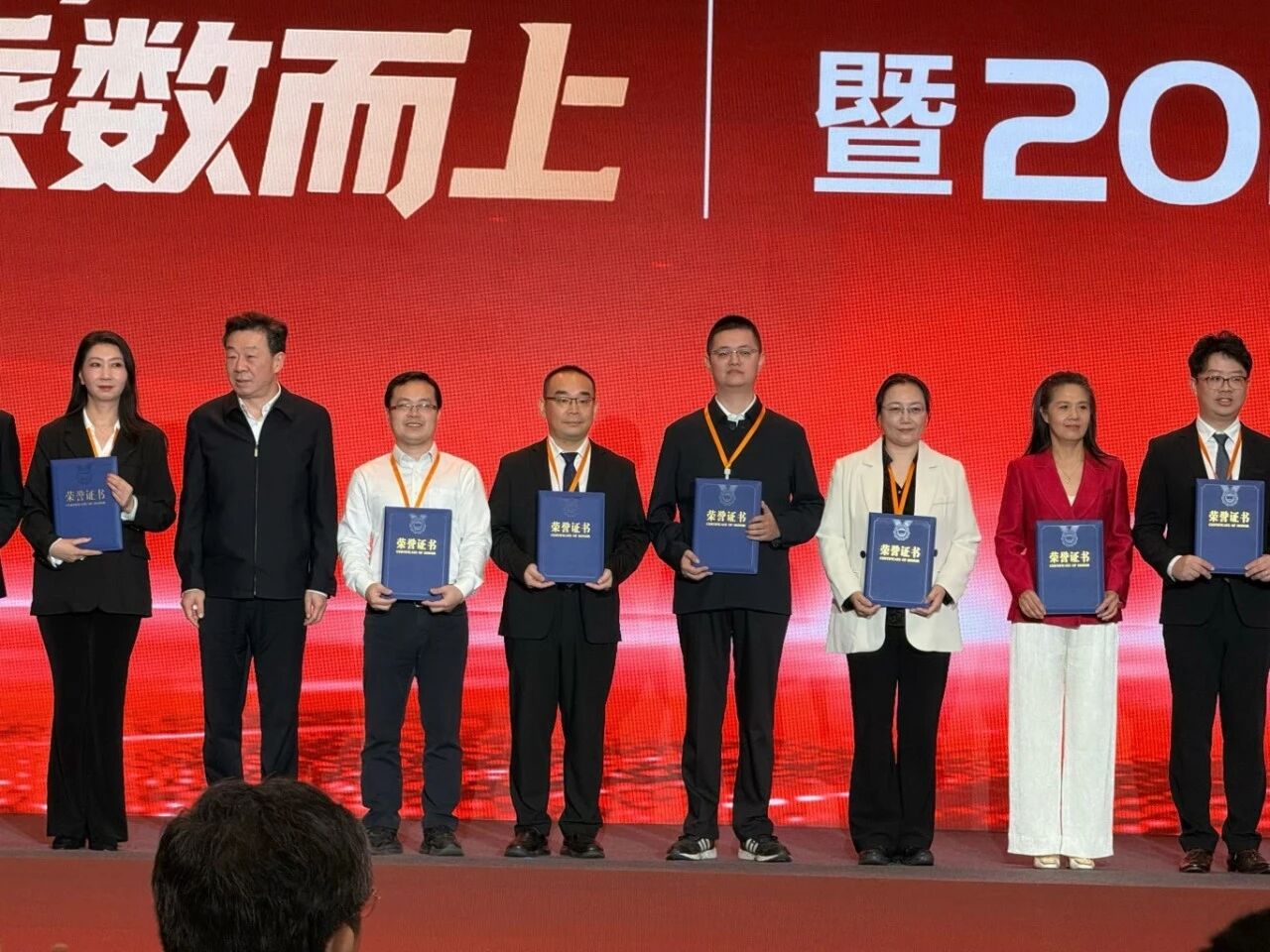
A project led by Professor Xuesong Liu of the International Frontier Interdisciplinary Research Institute of Wenzhou-Kean University (WKU) won the National First Prize in the Green and Low-Carbon Track at the 2026 “Data Elements ×” Competition, whose national finals recently concluded. Four projects from Zhejiang Province received national first prizes, with this being the only winning project from Wenzhou.
Led by CHINT Group and jointly submitted by WKU, Baisheng United Group, Qingteng Technology and Baisheng United Hangwen Railway, the project, titled “Data-Element-Enabled Autonomous Smart Operations, Maintenance and Energy Management for Public Buildings,” uses large AI models and intelligent agent technologies to develop datasets and implement intelligent solutions for public buildings and industrial parks.
The competition reached a new record in scale, with the number of participating teams rising from 19,000 in its inaugural year to nearly 30,000, an increase of more than 50 percent. Following regional selections and national online reviews, 330 teams advanced to the in-person final evaluation.
Of these, 19 teams competed in the Green and Low-Carbon Track. WKU's project was the only one focused on digital and intelligent energy conservation and carbon reduction at the individual-building operational level. It was also the only physical AI project designed to enable buildings to sense, make decisions and take action autonomously. By transforming buildings from monitored facilities into intelligent, responsive systems, the project offers a replicable new model for the industry: data stays within the building, algorithms operate inside it, and energy savings are realized on site.
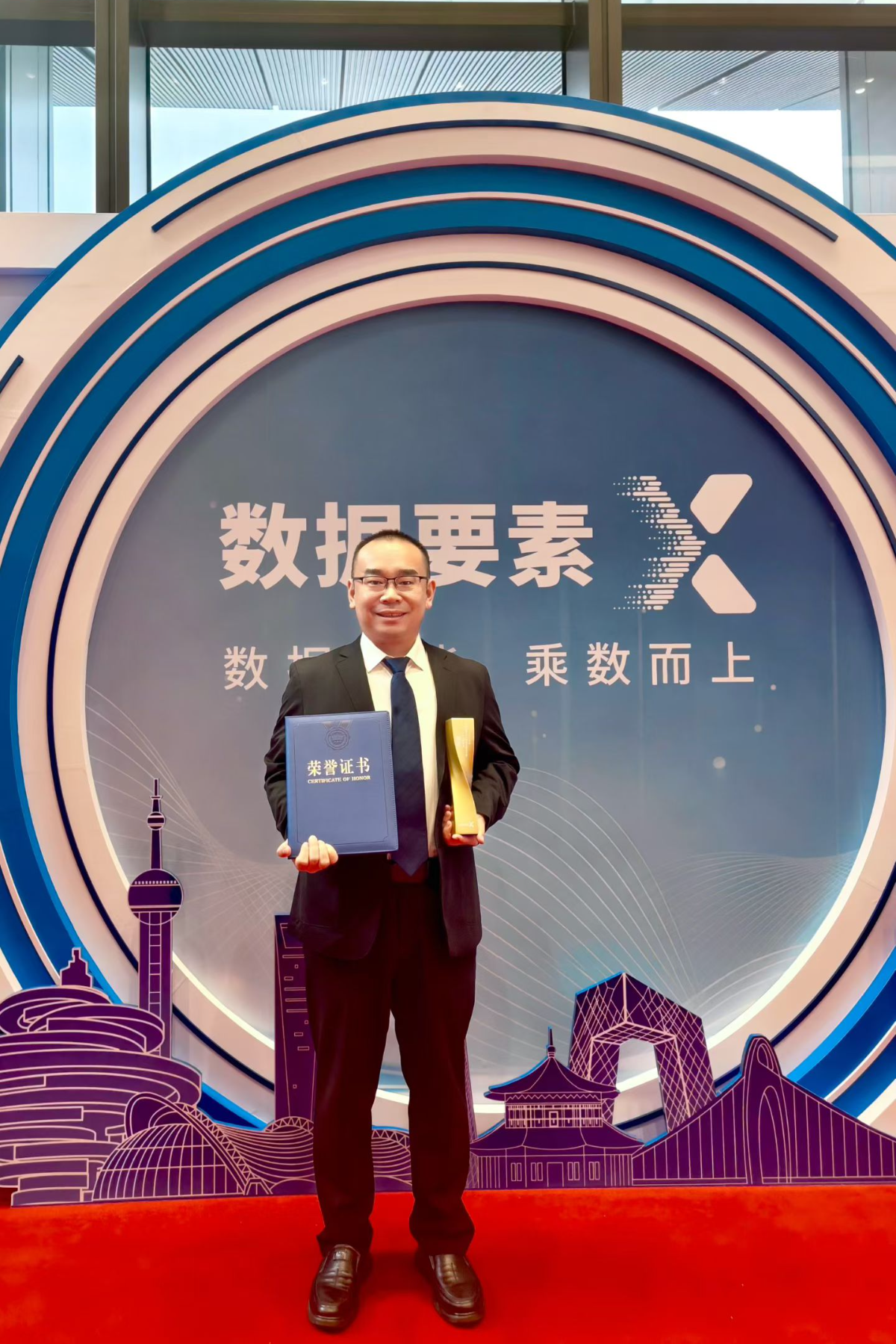
Professor Xuesong Liu
The project originated from Professor Liu's observations and reflections on energy waste in public buildings. “In many high-speed railway station waiting halls, the lights remain on even during the daytime. Passengers often complain that the waiting areas are too cold. Investigations have revealed that air-conditioning valves have been kept in forced-open mode for extended periods, wasting hundreds of thousands of kilowatt-hours of electricity every year,” he said.
China has an enormous stock of public buildings, and energy waste and carbon emissions during the operational phase remain significant challenges. The problems can be summed up in three words: invisible, unanticipated and uncontrollable. Equipment malfunctions often go undetected by existing data systems, energy-related risks can escape the attention of facility managers, and the sheer number of devices makes fine-grained management through manual intervention difficult.
“The building industry has never lacked hardware. What it really lacks is the ability to turn operational data into sound decisions,” Professor Liu said, explaining the motivation behind the project. To address these challenges and support China's dual-carbon goals, Liu's team proposed the concept of “building-embedded intelligence” and developed the Vibe Control technology system. In this system, smart sensors serve as “data miners,” collecting real-time information from buildings; a building-specific AI model acts as a “data doctor,” identifying faults and potential risks; and a self-developed AI agent, known as the Vibe Control Agent, functions as a “data engineer,” enabling real-time equipment control. Working together, the three components give buildings the ability to make autonomous, real-time decisions based on spatiotemporal conditions and environmental cues.
The team has also incorporated the laws of thermodynamics and fluid mechanics into its AI model, enabling it to learn from operational data while adhering to established physical principles. This allows the system to identify hidden energy inefficiencies and faults that conventional alarm systems may fail to detect.
More importantly, the AI agent can directly manage building operations. It understands natural-language instructions and can coordinate the scenario-based management of thousands of building devices in batches. It can also proactively identify faults, initiate maintenance and repair processes, and continuously improve its performance through reinforcement learning.
The technology has already been deployed in several projects. WKU's campus serves as a key demonstration site, where smart upgrades are being implemented in phases. The initiative is progressing from autonomous control of air-conditioning and lighting systems to the intelligent management of dormitories, water supply and drainage systems, helping reduce energy consumption while maintaining a comfortable environment for faculty and students.
The project has also been implemented at five stations along the Hangzhou-Wenzhou high-speed railway, where energy-saving upgrades address fluctuations in energy demand caused by changing passenger flows. The initiative has achieved an annual reduction of 1,300 metric tons of carbon emissions, while generating considerable economic benefits.
The project team brings together researchers and engineers specializing in HVAC, automation, computer science, civil engineering and other fields. Local industrial alliances in Wenzhou have been deeply involved, providing hardware support, computing resources, application scenarios and technical solutions. The International Frontier Interdisciplinary Research Institute of WKU provides a high-level research platform, creating a collaborative innovation model that brings together university research and local industry.
Professor Liu has also worked to strengthen the connection between industry and the classroom. “Students are no longer limited to hypothetical cases in textbooks. They now have access to vast amounts of real-world building operational data, large-model deployment and energy-saving retrofit projects,” he said.
WKU students have been deeply involved in data governance, model validation and applied research, gradually developing into key members of the project team. This has helped establish a cycle in which industry identifies real-world challenges, universities conduct research to address them, research outcomes are fed back into industry, and practical experience helps develop talent.
Looking ahead, Liu envisions extending the technology from individual buildings to entire industrial parks and urban districts, optimizing energy efficiency across clusters of buildings and transforming buildings from electricity consumers into flexible energy resources.
He hopes the project will become a tangible example of industry-education integration at WKU. Rooted in Wenzhou, a city known for its vibrant private economy and strong foundation in digital innovation, the team will continue to bring university research into real-world industrial settings.
English Translation: Zirui Hu
- University-Industry Collaboration | Making Buildings Think: WKU Professor Liu Xuesong’s Team Wins National First Prize in “Data Elements ×” Competition
- Meet Dr. Jingni Ma: Using Virtual Reality to Make Mental Health Care More Accessible

- Moments at WKU: Jing Ma on Teaching, Growth and the Power of Encouragement