The 4th Zhejiang-New Jersey STEAM Innovation Education Conference held at Wenzhou-Kean University
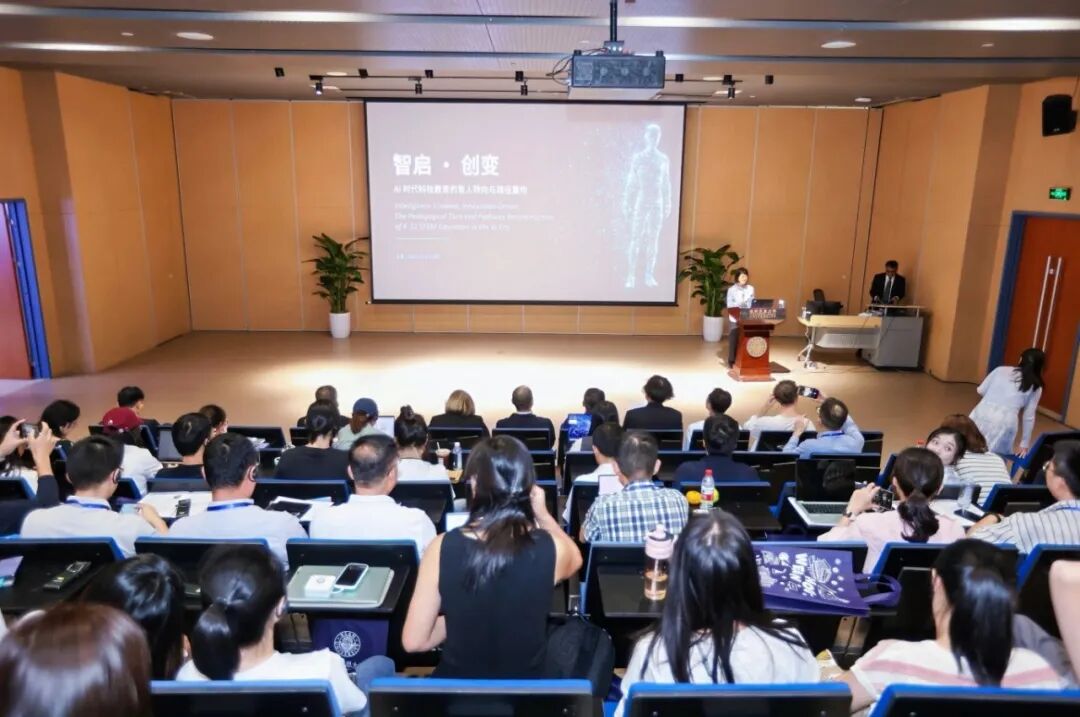
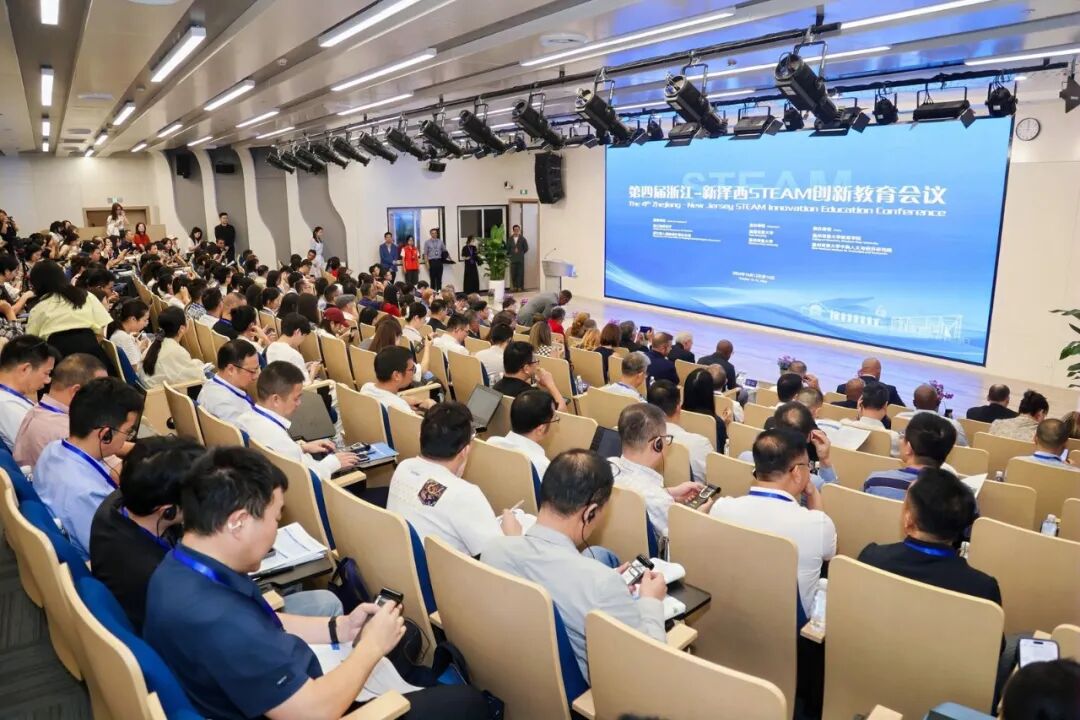
The Fourth Zhejiang–New Jersey STEAM Innovation Education Conference was held on October 13 at Wenzhou-Kean University. Under the theme “Competency-Oriented, Collaborative Practice: Building the Next STEAM Ecosystem Across China and the US,” education representatives from China and the United States shared their experiences and achievements in STEAM education and explored innovative ways to translate competency goals into classroom practice.
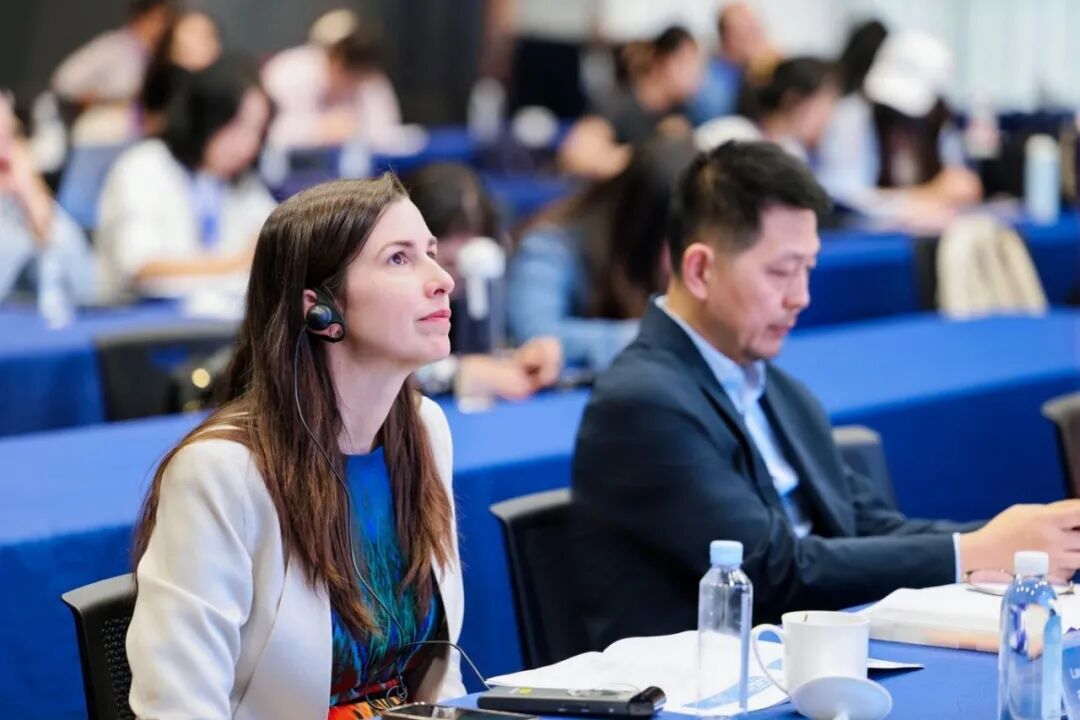
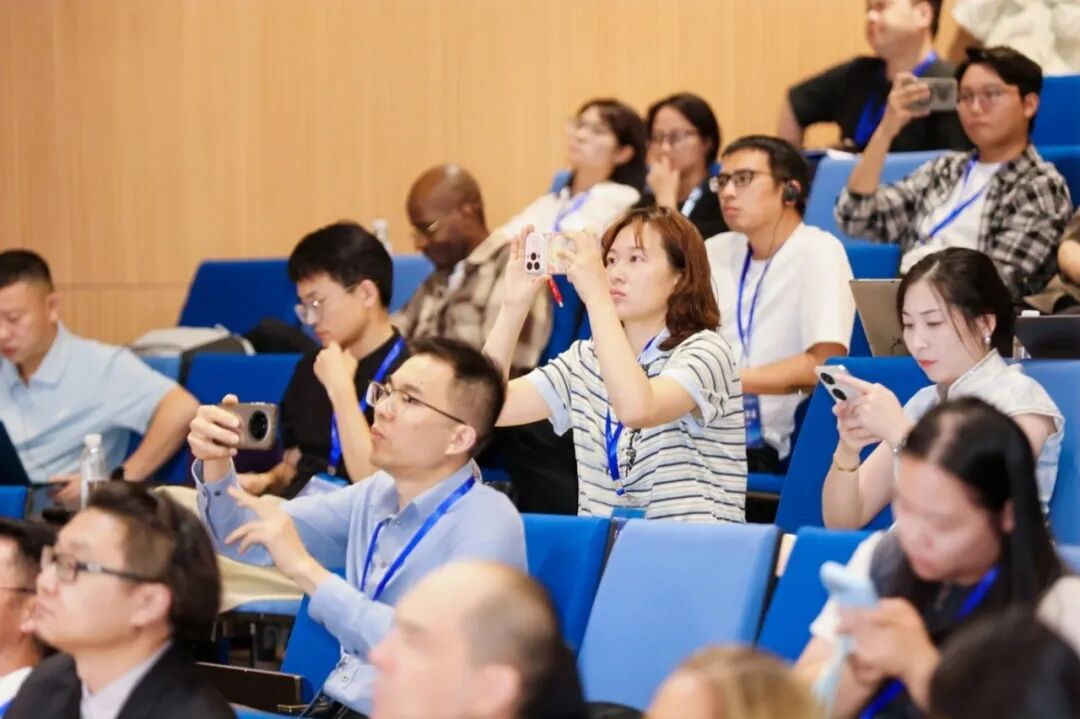
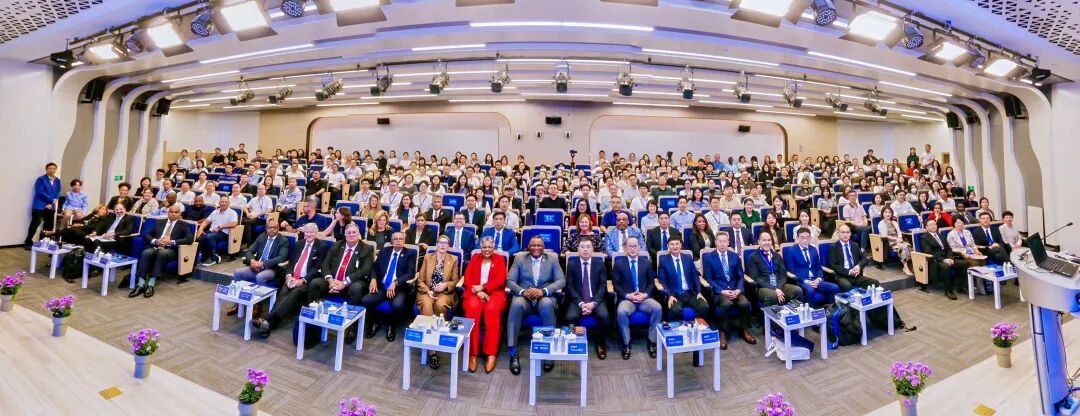
The conference drew nearly 300 participants, including experts and scholars, education administrators and frontline teachers from education authorities, universities, primary and secondary schools, and the STEAM education sector in Zhejiang Province and New Jersey, the United States.
The US delegation included Lamont Repollet, President of Kean University; Angelica Allen-McMillan, Former Acting Commissioner of the New Jersey Department of Education; and Felice K. Vazquez, Chancellor for International Campuses, Kean University, along with representatives from Kean University’s presidential delegation and foundation delegation.
Chinese participants included Peidong Shu, Deputy Director General of Zhejiang Provincial Department of Education; Yangxu Huang, Vice Mayor of Wenzhou Municipal People's Government; Jianzhong Pan, Chair of the Board of Directors of Wenzhou-Kean University; and Xiaonian Li, Chancellor of Wenzhou-Kean University. Also attending were officials from provincial and municipal foreign affairs offices and education bureaus, heads of education bureaus and teaching and research institutes from Zhejiang’s 11 prefecture-level cities, as well as primary and secondary school principals and frontline educators.
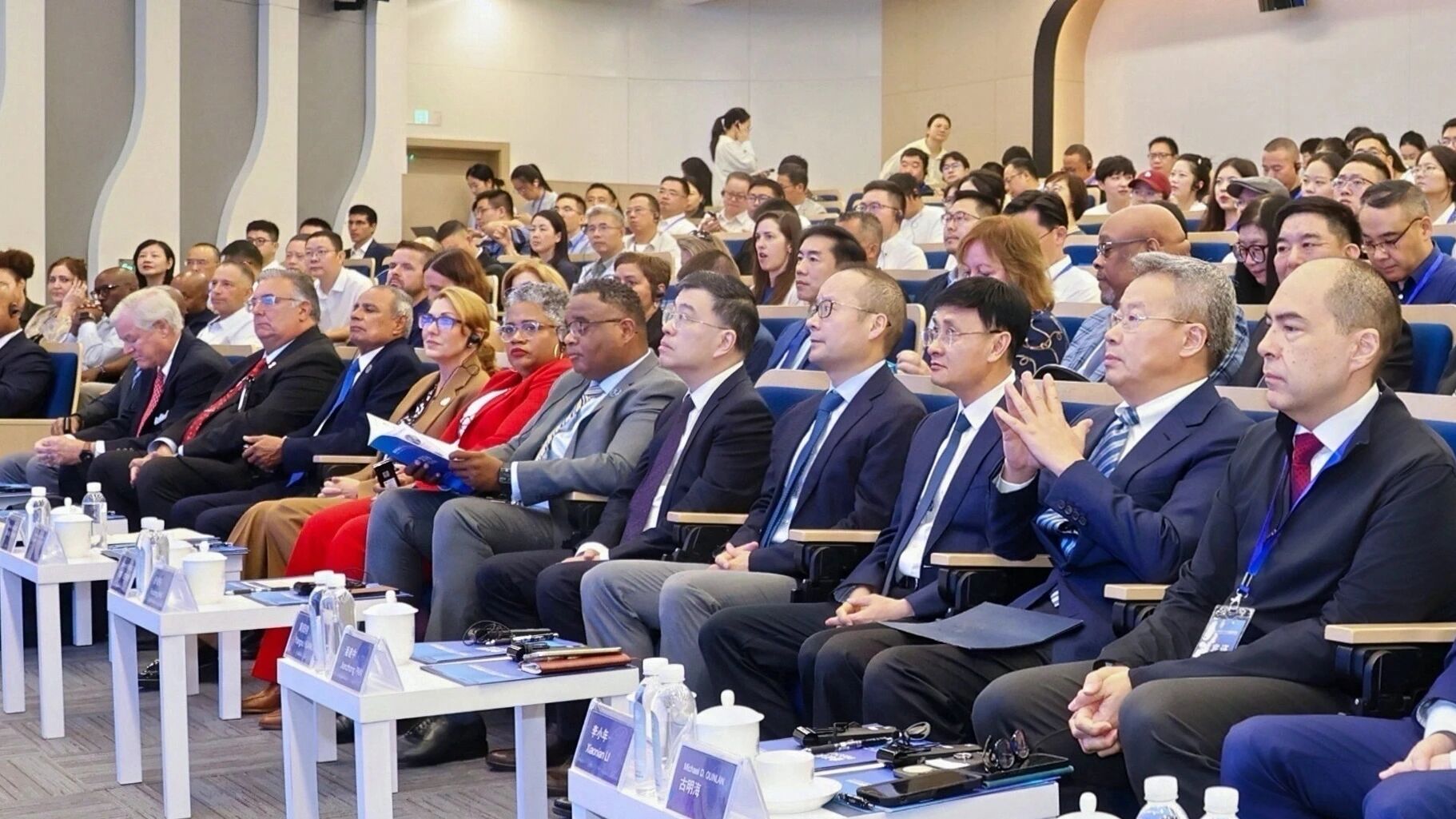
China-US Educators Join Hands to Build a New Framework for Cooperation
Peidong Shu noted that this year marks both the 45th anniversary of Zhejiang-New Jersey sister-state relations and the 20th anniversary of the agreement to establish Wenzhou-Kean University. Educational cooperation and exchanges, he said, are an important part of China-US people-to-people exchanges and a key force in advancing global educational innovation. Since 2018, Zhejiang and New Jersey have pursued practical cooperation in STEAM education, including curriculum development, teacher training and school partnerships. The two sides have established 11 pairs of sister schools in STEM education.
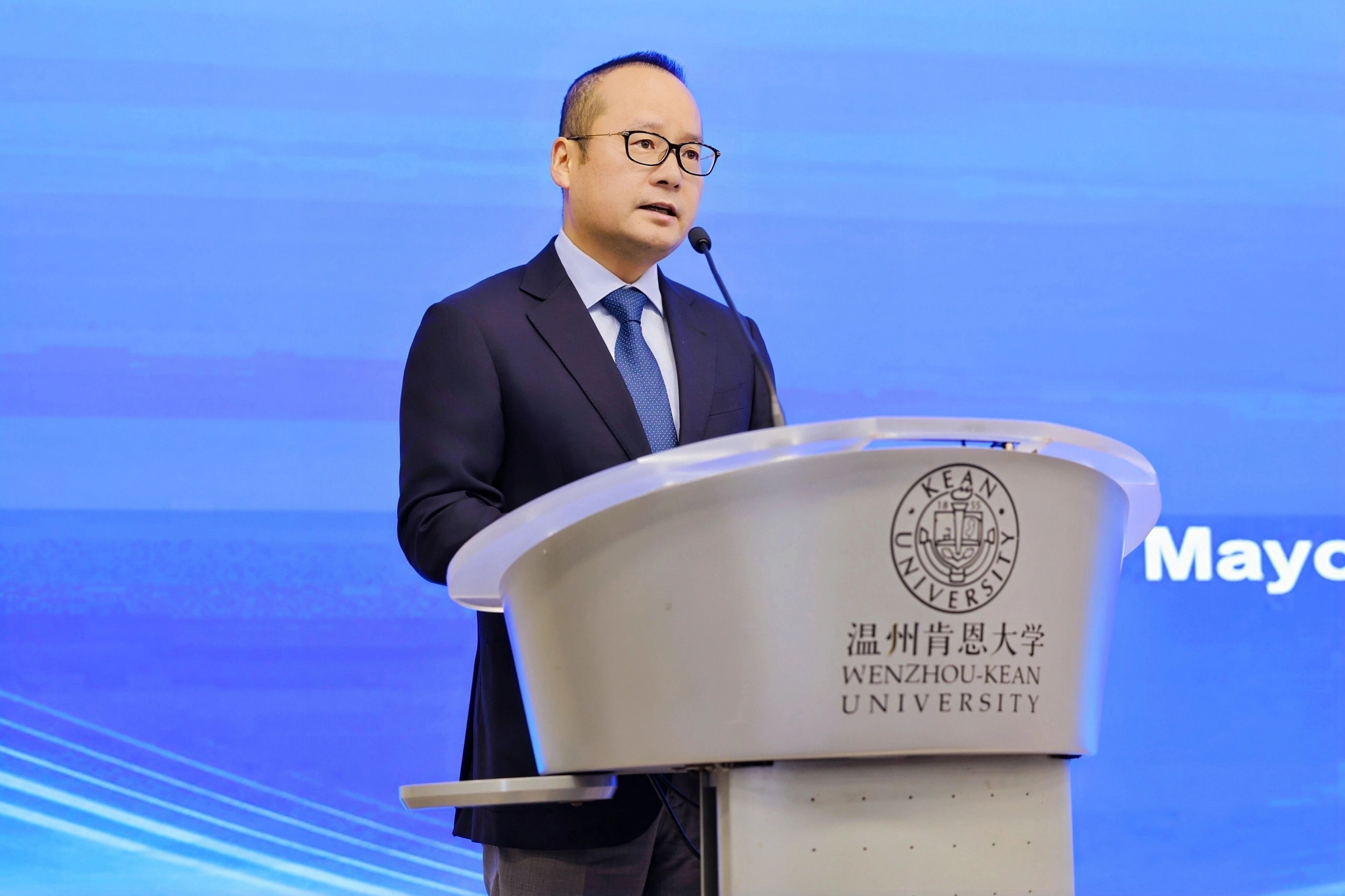
Yangxu Huang welcomed the American experts and other guests from China and abroad. He expressed hope that the conference would serve as a platform for in-depth exchanges on interdisciplinary teaching, project-based learning and the application of artificial intelligence in education. “We hope to turn the outcomes of this conference into tangible improvements in teaching and meaningful gains for students,” he said, adding that the initiative would help expand Wenzhou’s international cooperation and promote people-to-people exchanges between China and the United States.
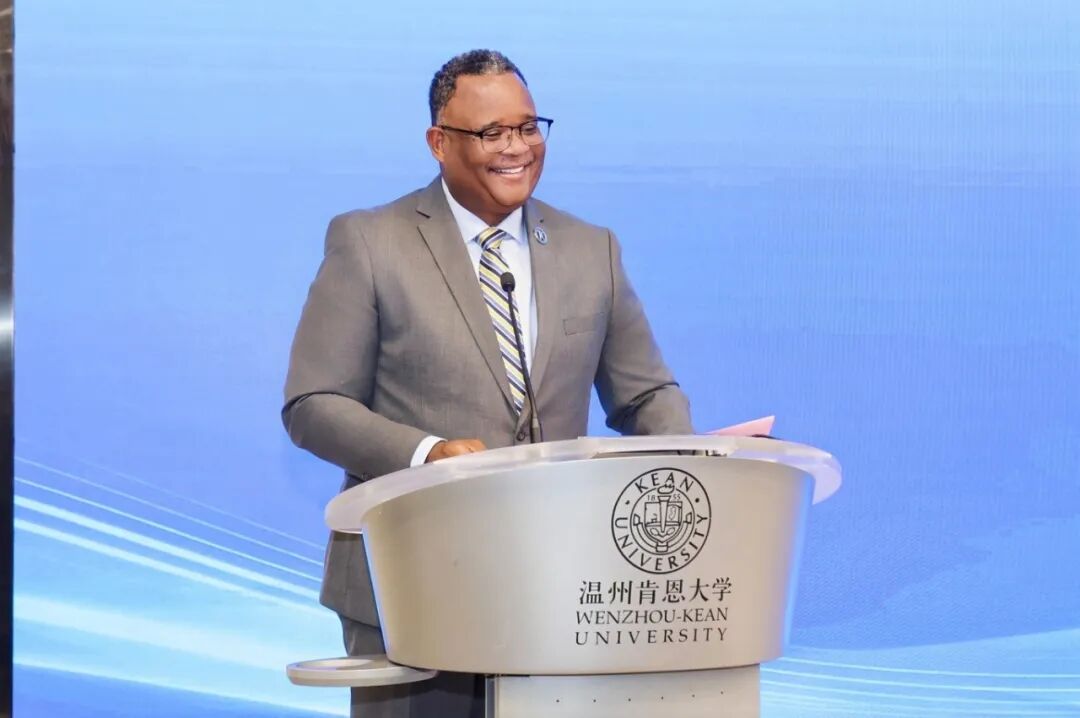
Lamont Repollet emphasized that STEAM integrates inquiry, creativity, design and problem-solving across disciplines. Effective teaching and leadership foster connections among knowledge, experience and imagination, encourage participation, support productive struggle and ensure that every learner can contribute. He also highlighted the role of innovation in expanding students’ ability to imagine, understand and achieve, noting that international collaboration at WKU provides opportunities to exchange ideas, strengthen educational practices and explore new possibilities.
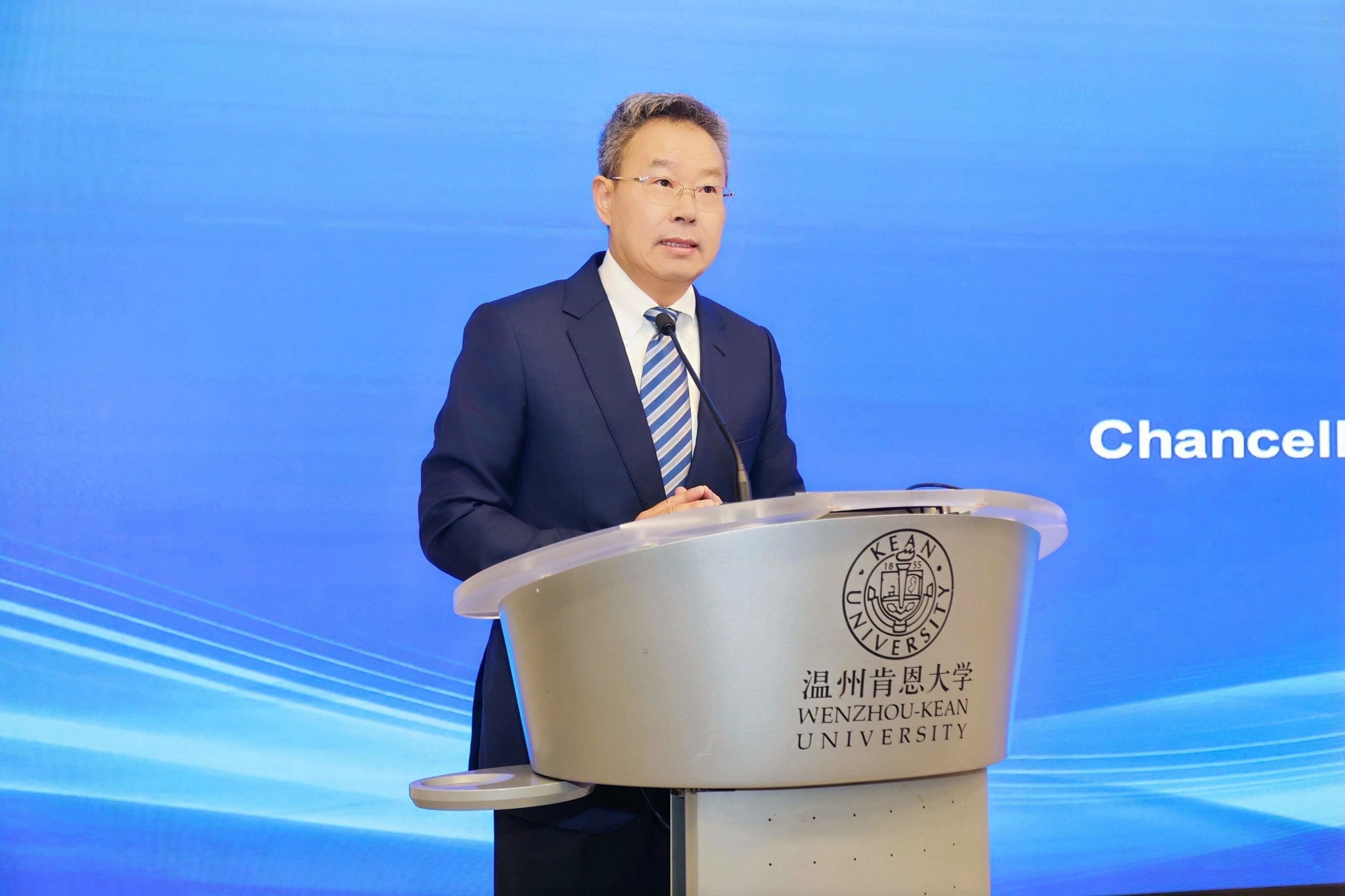
Xiaonian Li said WKU had become a flagship project in China-US educational cooperation, facilitating exchanges involving more than 3,400 Chinese and American students. In response to the new initiative to invite 100,000 young Americans to China for exchanges and study over the next five years, the university will also launch the “Flying Rainbow Initiative.” The program aims to invite an additional 1,000 young Americans to China over the next five years, creating more opportunities for young people from both countries to learn about each other.
From Keynote Presentation to Roundtable Panel, Making Competencies Visible
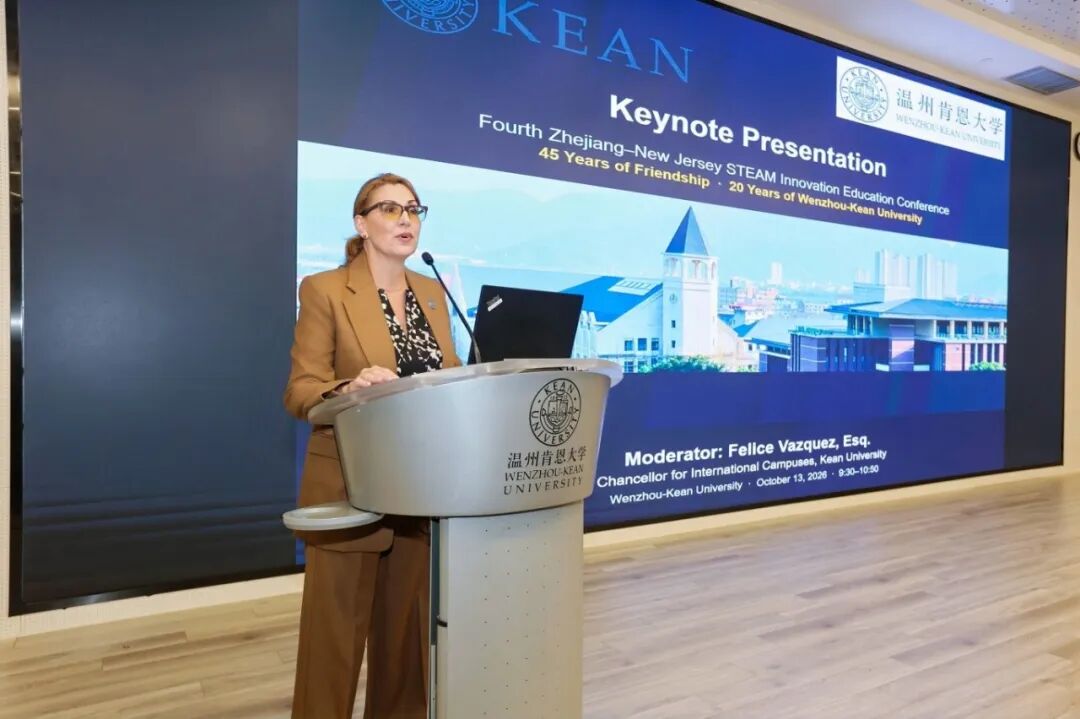
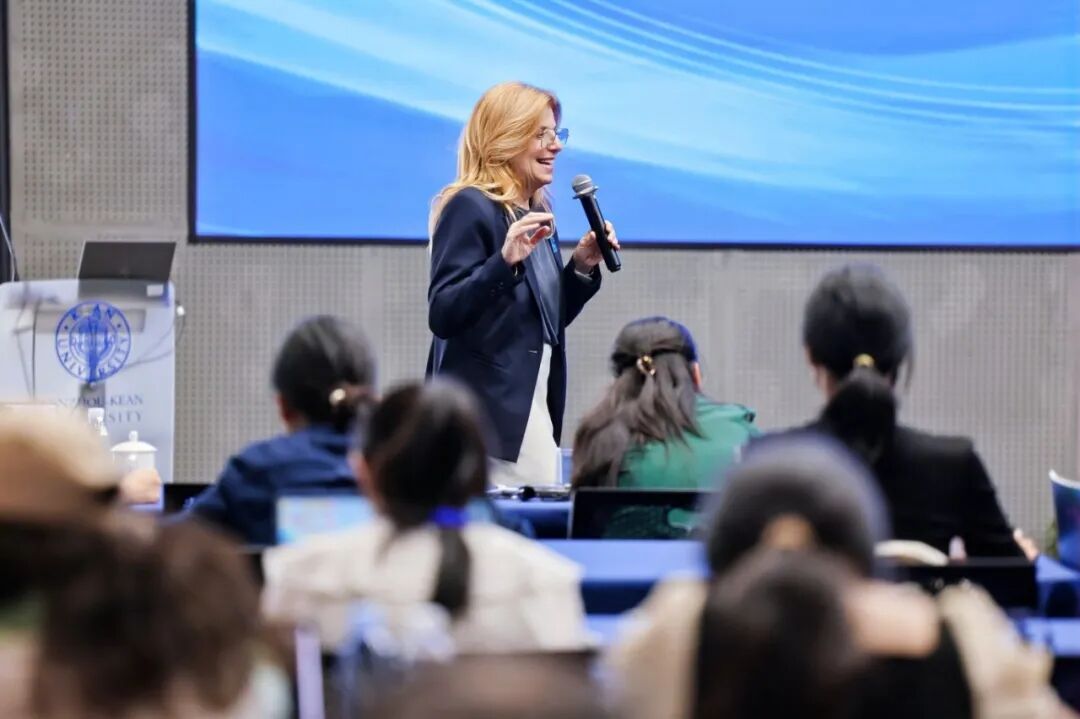
At the conference, education experts from Zhejiang and New Jersey delivered keynote speeches on STEAM education, sharing insights and practical approaches from their respective educational systems. The keynote session was moderated by Felice K. Vazquez.
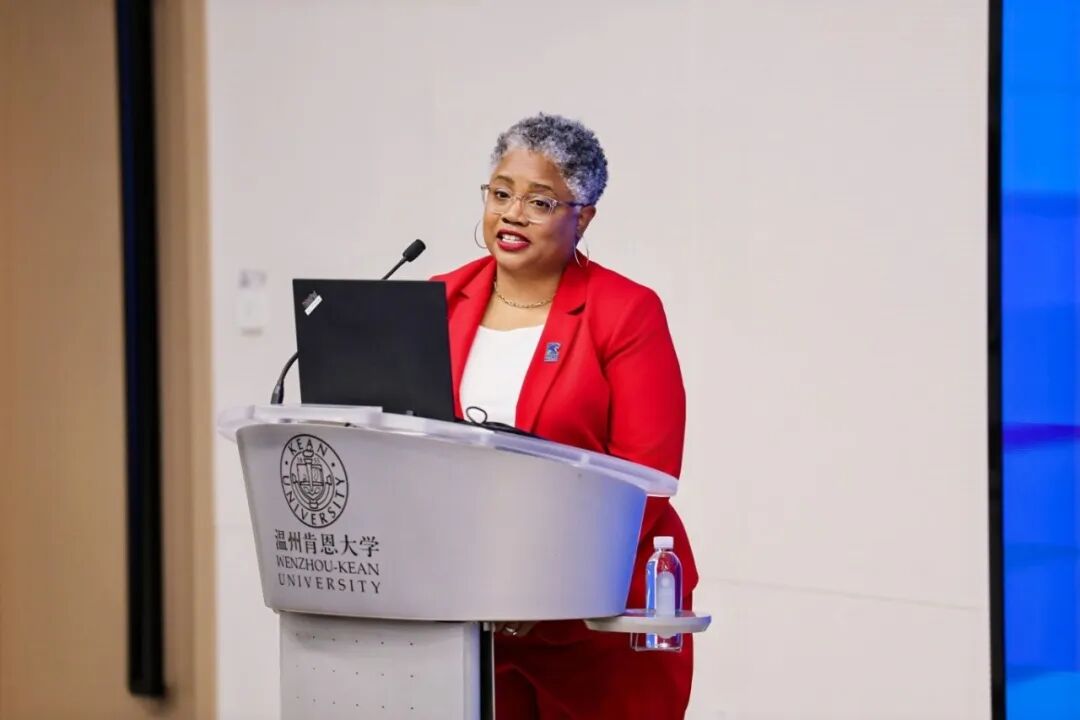
Angelica Allen-McMillan emphasized that cooperation between the two sides should go beyond sharing successful outcomes to include the exchange of challenges, setbacks and lessons learned through iteration. By working together, both sides can empower students to build sustainable "bridges," navigate the unknown and turn problems into solutions.
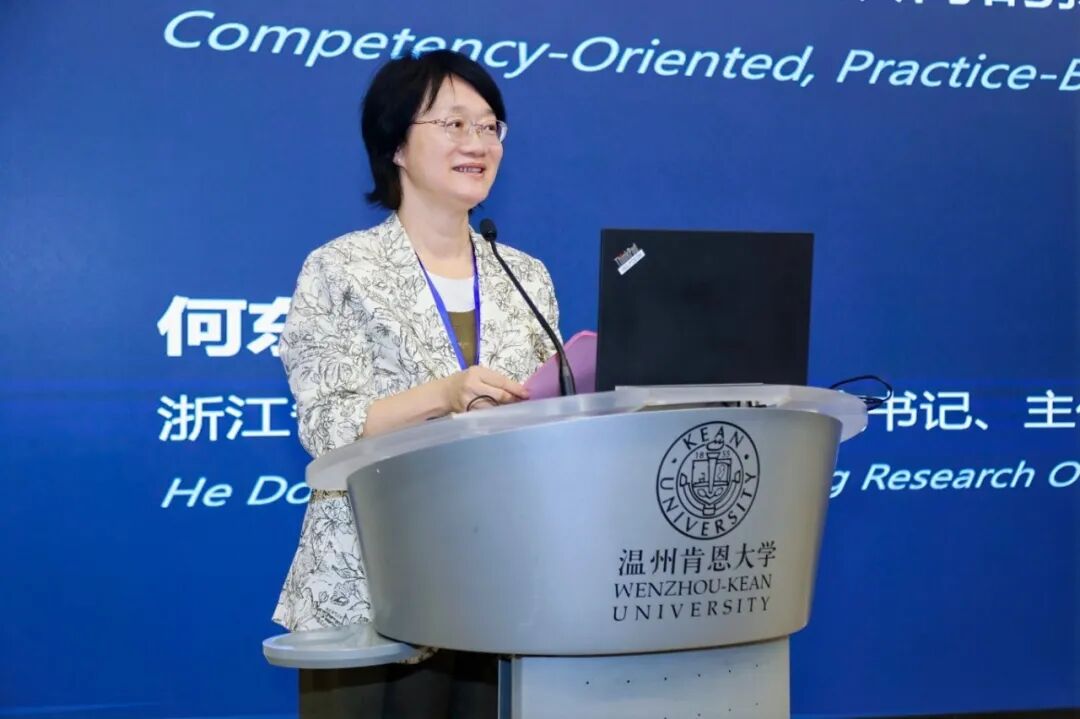
Dongtao He noted that Zhejiang will launch a pilot program for science and technology education in primary and secondary schools." Our goal is to guide students from simply ‘knowing how to use AI’ to ‘using AI wisely and effectively’," she added. Zhejiang will continue to deepen international exchanges and cooperation in STEAM education.
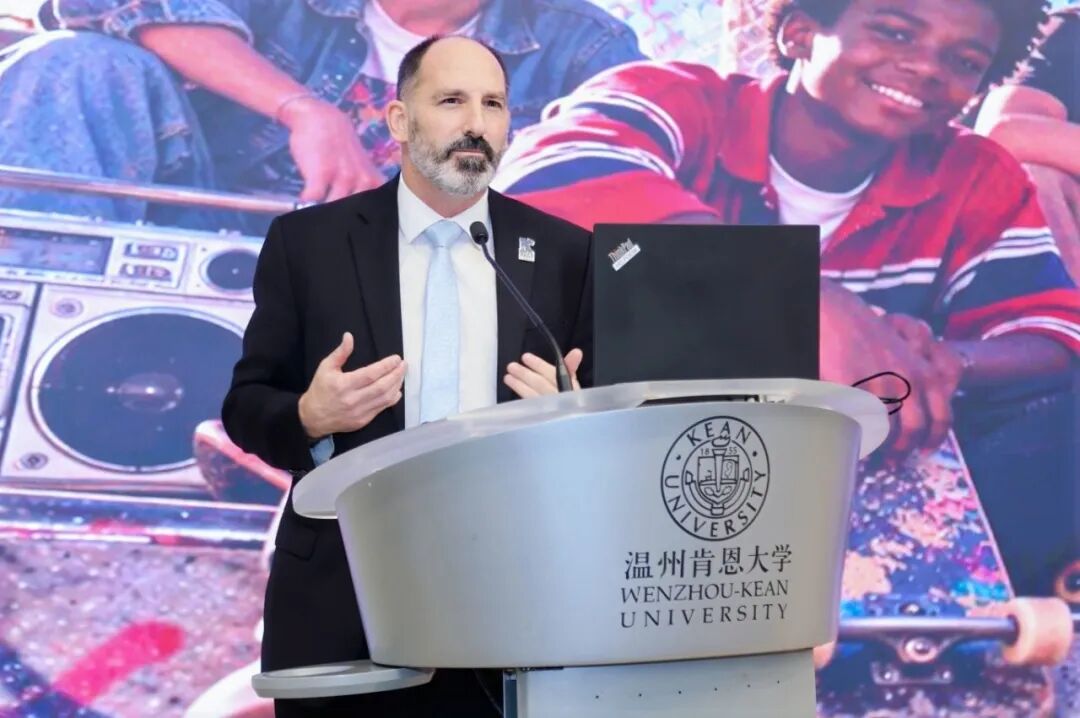
Michael Salvatore, Executive Vice President for Academic and Administrative Operations at Kean University, shared his insights into human intelligence in the digital age. He stressed that as AI becomes increasingly widespread, education must safeguard people's innate capacity for independent thought and ensure that digital tools serve their proper purpose.
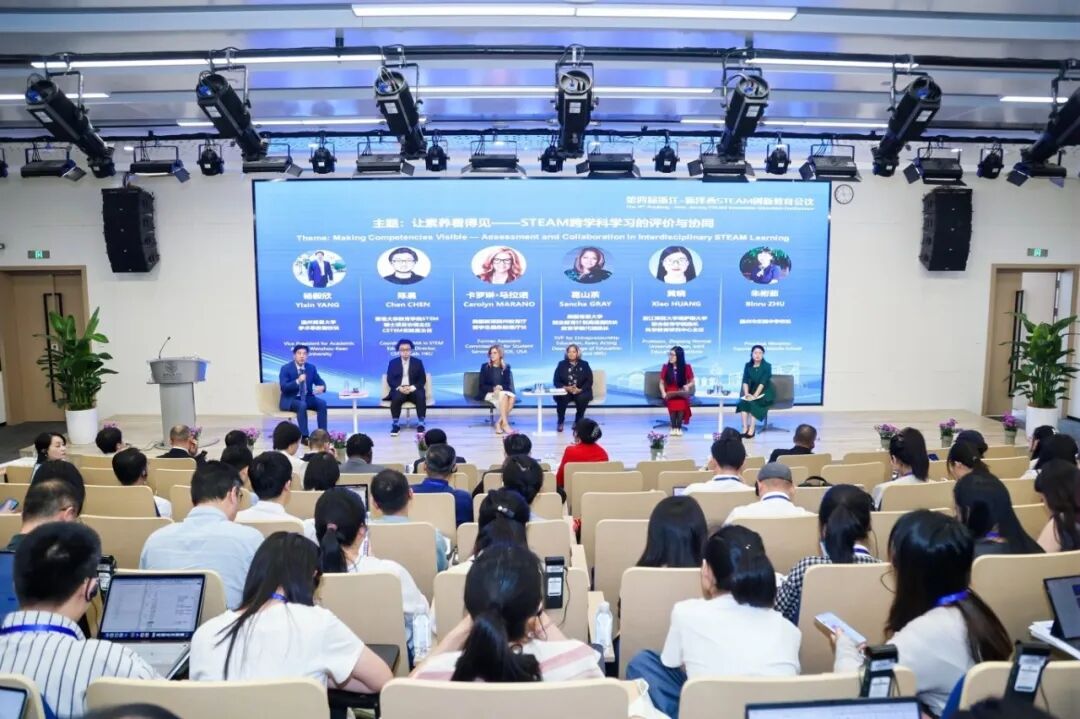
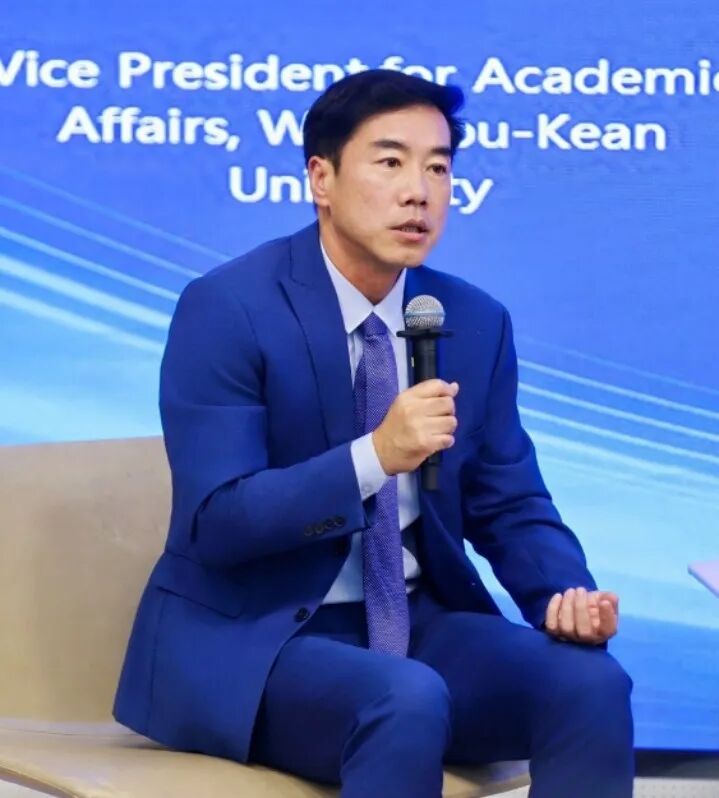
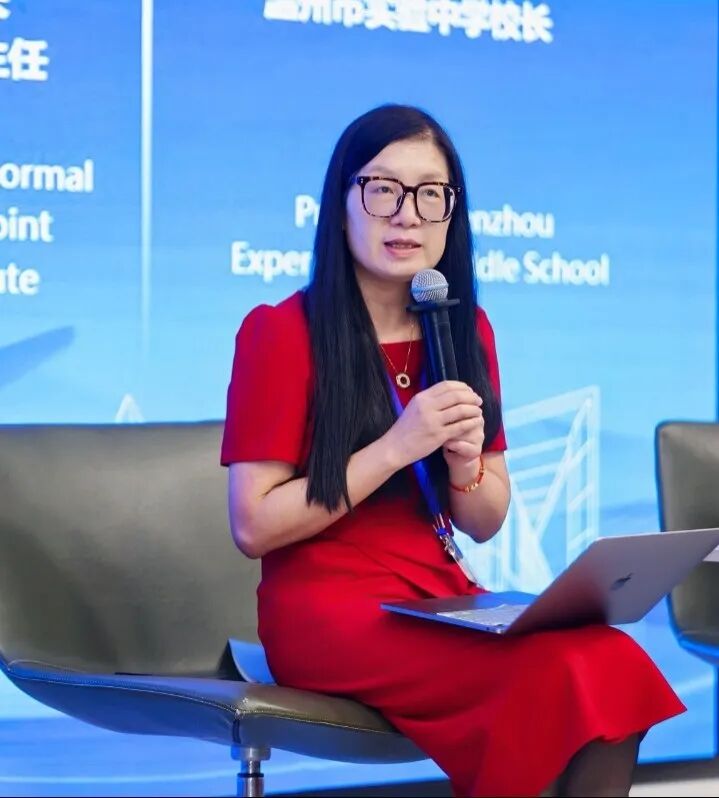
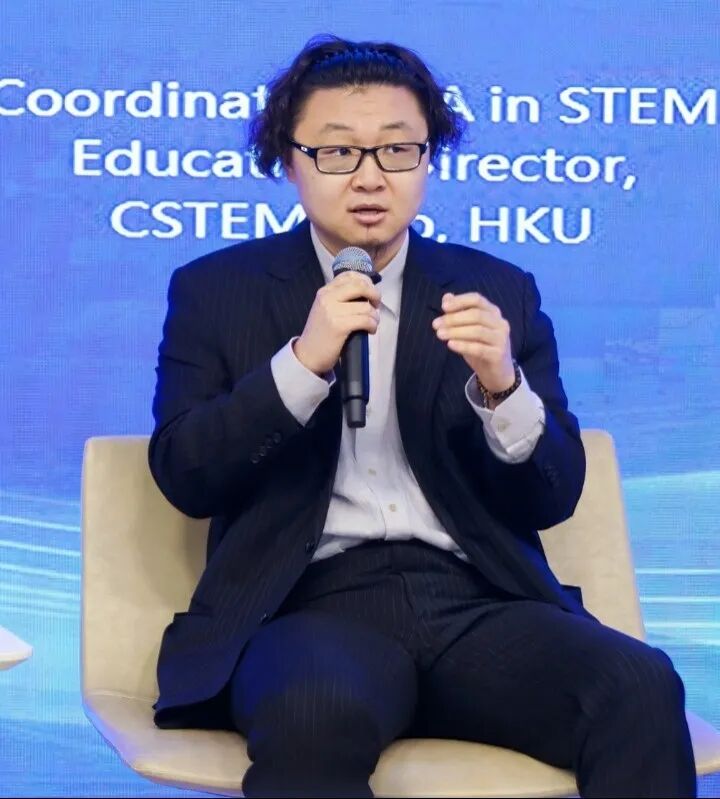
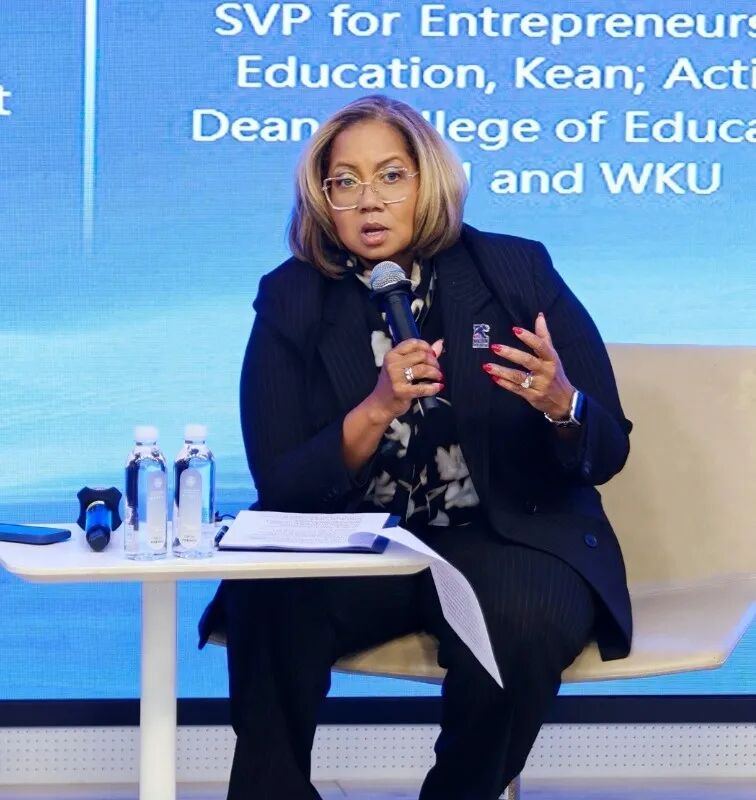
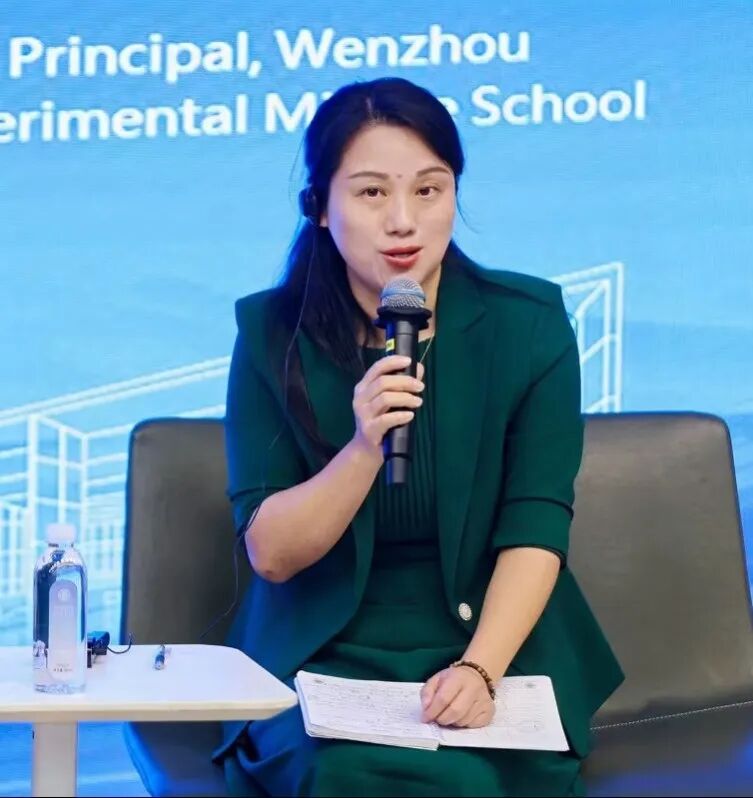
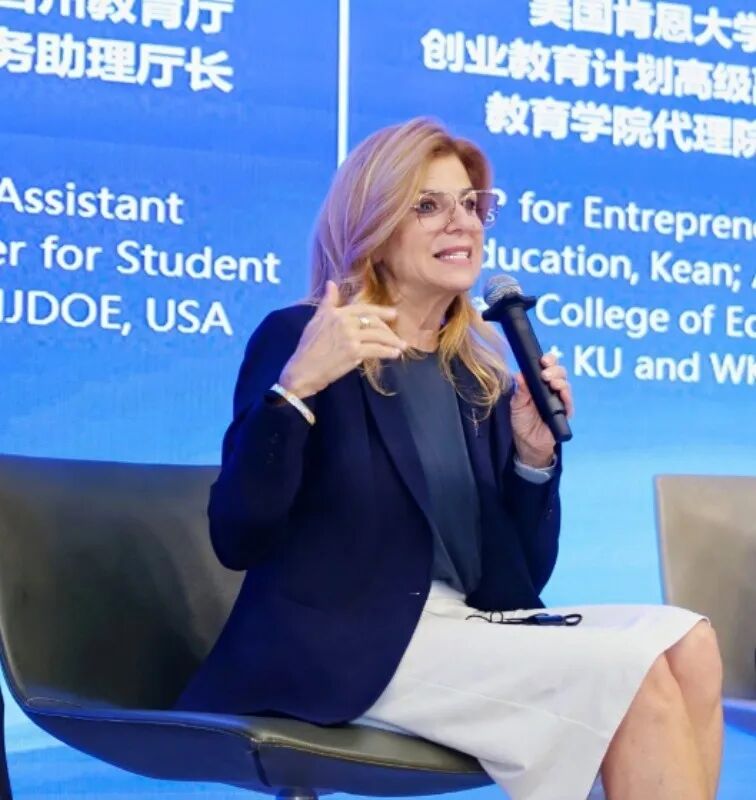
The subsequent roundtable panel, themed “Making Competencies Visible: Assessment and Collaboration in Interdisciplinary STEAM Learning,” was moderated by Eric Yang, vice chancellor for academic affairs at WKU, and brought together five education experts from China and the United States.