
WKU Student wins first prize in a national English speech contest: What is his answer to the value of boredom?
In the age dominated by fingertip entertainment, how would you explain the value of boredom? At the grand final of the 30th “21st Century Cup” National English Speaking Competition, Wu Yichen, a senior Finance major at WKU, delivered a compelling answer. With a sharp take on a contemporary issue and fluent expression, he stood out among 200,000 competitors nationwide to win the national first prize.
Three Hours Without a Phone Leads to One Key Insight
“This topic felt extremely real,” Wu recalled. “Almost everyone today is inseparable from their phones.”
In the finals, contestants drew topics on site and were given just 30 minutes to prepare a two-minute impromptu speech, without access to any external information.
A personal experience proved crucial. As an afternoon-session contestant, Wu spent three to four hours waiting with all electronic devices confiscated. “That period of complete disconnection felt boring at first,” he said, “but it gave me a genuine understanding of what boredom means in the age of constant digital stimulation.”
Drawing on prior research, Wu cited data from the China Internet Audiovisual Development Research Report, noting that people spend an average of 2.6 hours a day watching short videos. Combining data with personal experience, he argued that boredom is not meaningless, but a necessary space for deeper thinking—an idea that resonated with judges and audience alike.
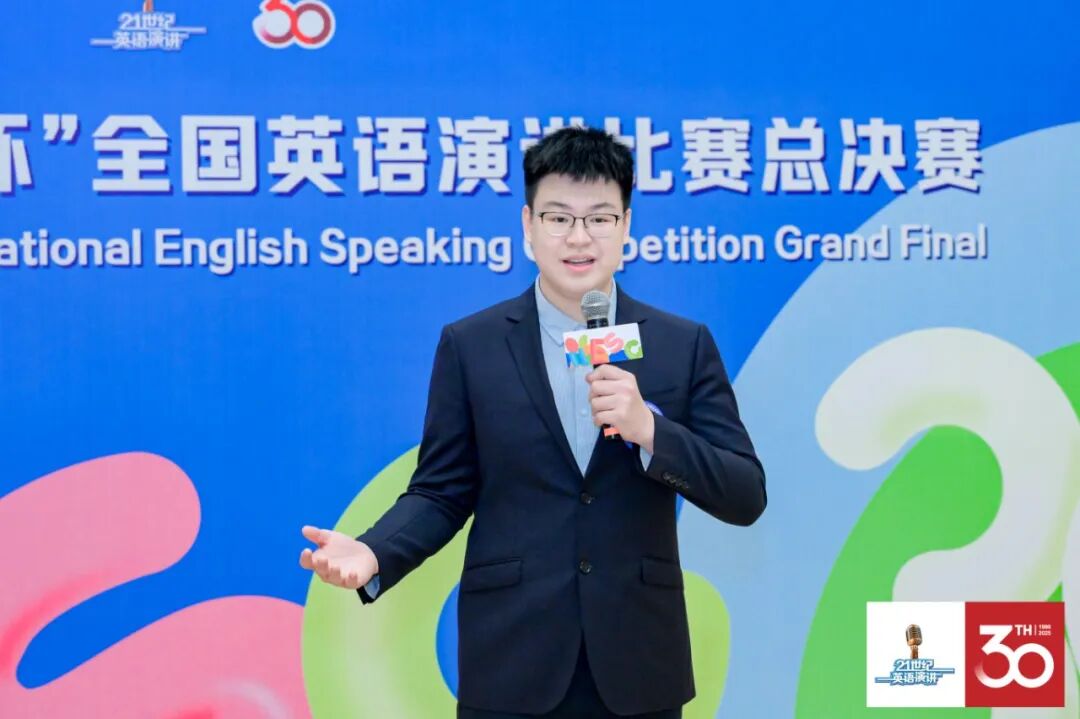
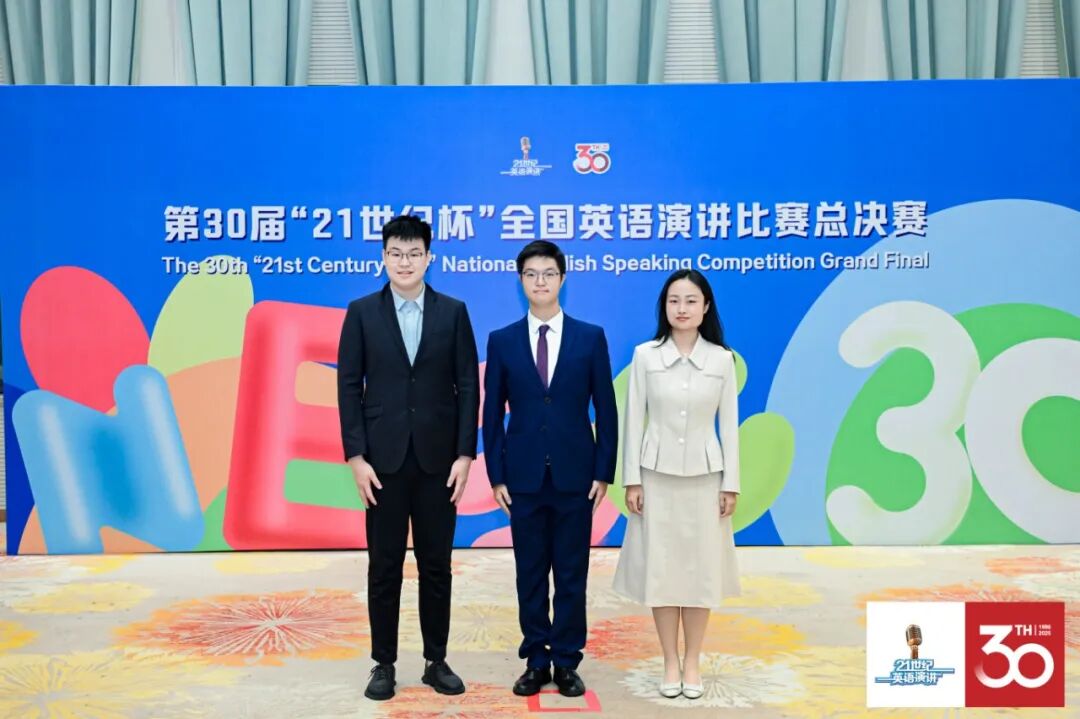
The grand final of the "21st Century" Cup
Critical Thinking Matters More Than Perfect English
“21st Century Cup” is one of China’s most influential English-speaking contests since its launch in 1996. Wu was no stranger to the competition. Two years ago, he won second prize at the provincial level but failed to advance to the national stage. This year, he made the breakthrough and reached the top stage.
“Fluency and correct grammar are just the basics,” Wu said. “What really matters is how you interpret the topic and whether your ideas are thoughtful and original.” In his view, language is ultimately a tool for communication. Clear thinking and meaningful content outweigh accent or stylistic perfection.
Beyond competition, the event also became a space for learning and friendship. Contestants shared rooms, exchanged drafts, practiced together and offered feedback. “It felt less like a rivalry and more like growing together,” Wu said.
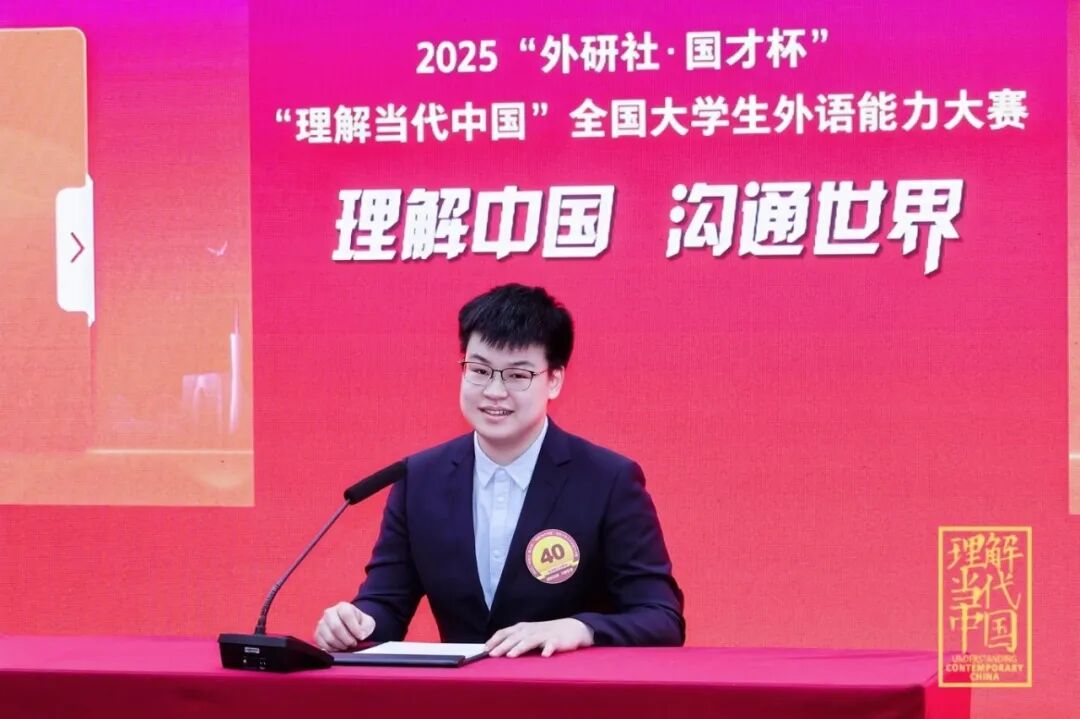
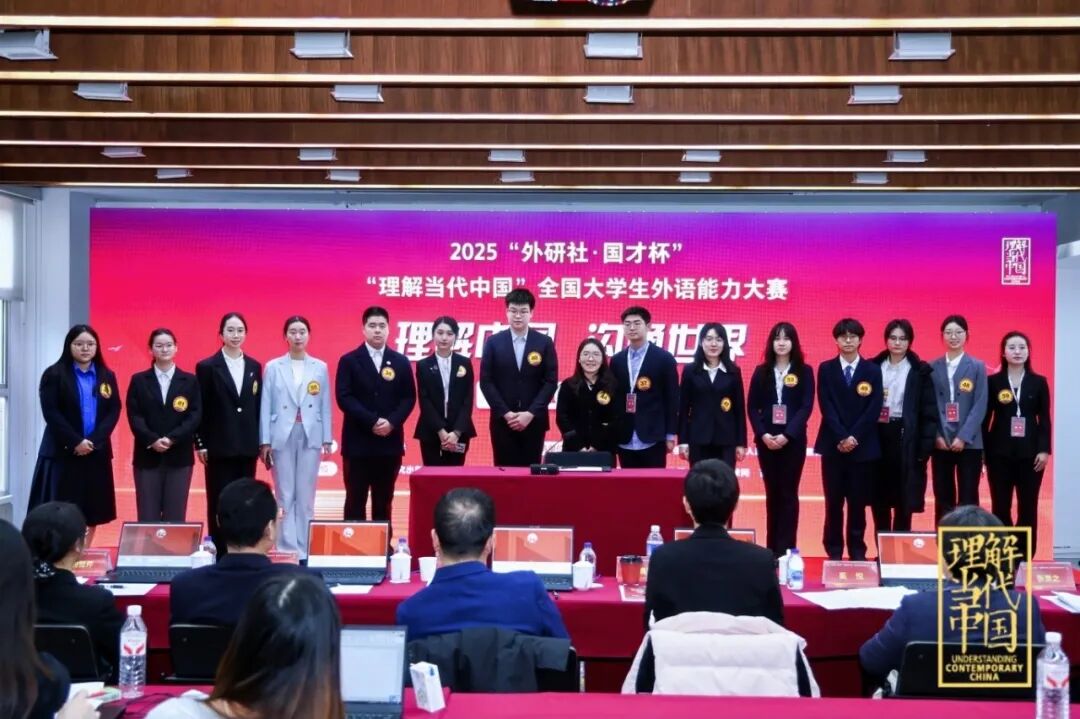
Attending the national English competitions
Growth Beyond the Competition
Wu’s success reflects years of preparation beyond the contest itself. WKU’s all-English environment laid a strong foundation, while training with the university’s English competition team helped sharpen his speaking skills.He also serves as an English guide at WKU’s Museum, receiving visiting delegations from both China and abroad. One memorable experience involved hosting a delegation from Kean University in the United States, where he had to adapt on the spot to schedule changes and compressed timeframes. “Those moments taught me that deep preparation is what allows you to stay calm and flexible under pressure,” he said.
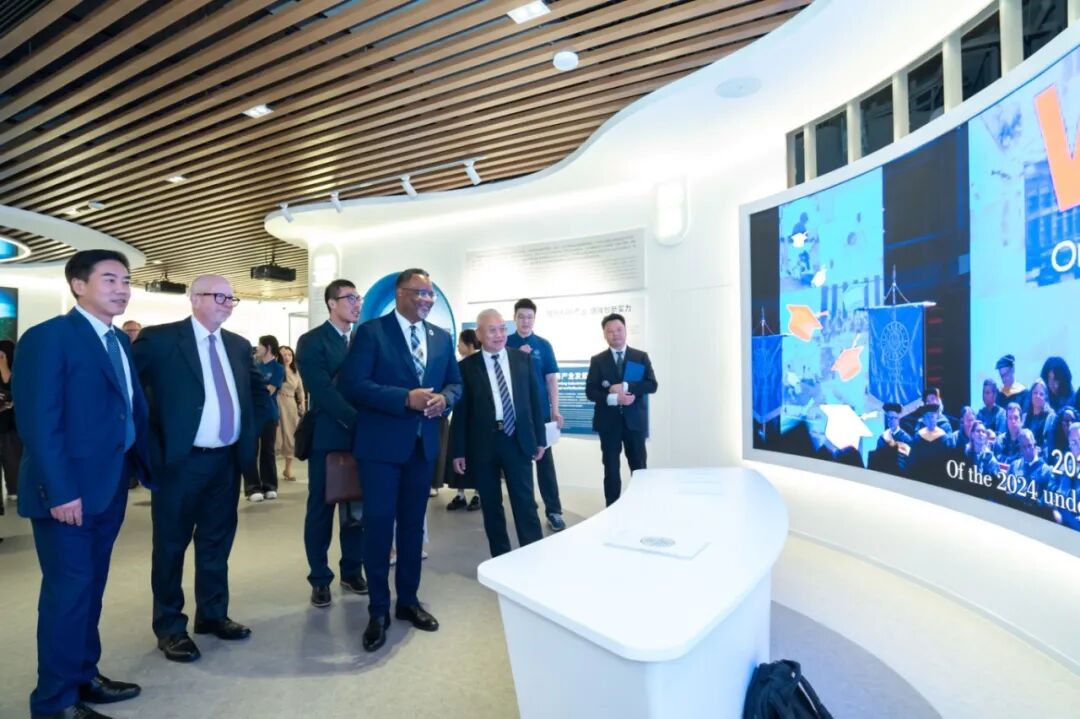
Receiving delegations at the WKU Museum
Now an academically outstanding student, Wu has received offers from several leading universities, including Duke University. As the graduation approaches, he is planning his next steps in graduate study.
“The competition strengthened my language skills and critical thinking,” he said. “More importantly, it connected me with people who share the same passion. These experiences will stay with me for a long time.”
Translator: Wenwei Xiang, Yihui Cai
- Wenzhou-Kean University Secures Joint First Place in Zhejiang with Three Intangible Cultural Heritage Projects

- University–Industry Collaboration Earns International Recognition Again! WKU Interdisciplinary Project Wins the Red Dot Award: Design Concept
- The 4th Zhejiang-New Jersey STEAM Innovation Education Conference held at Wenzhou-Kean University

