
Have You Taken WKU's "Field Biology" Course?
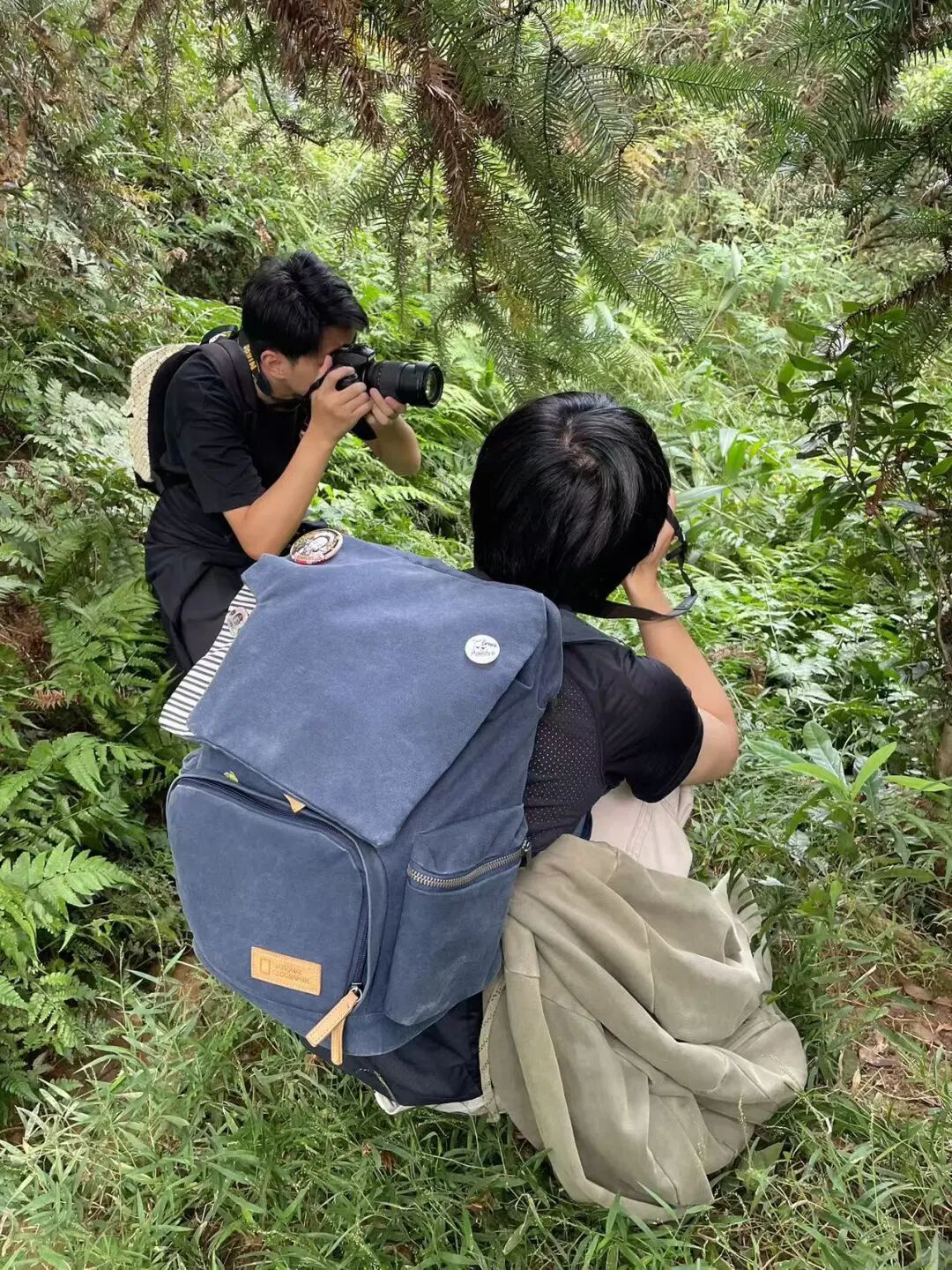
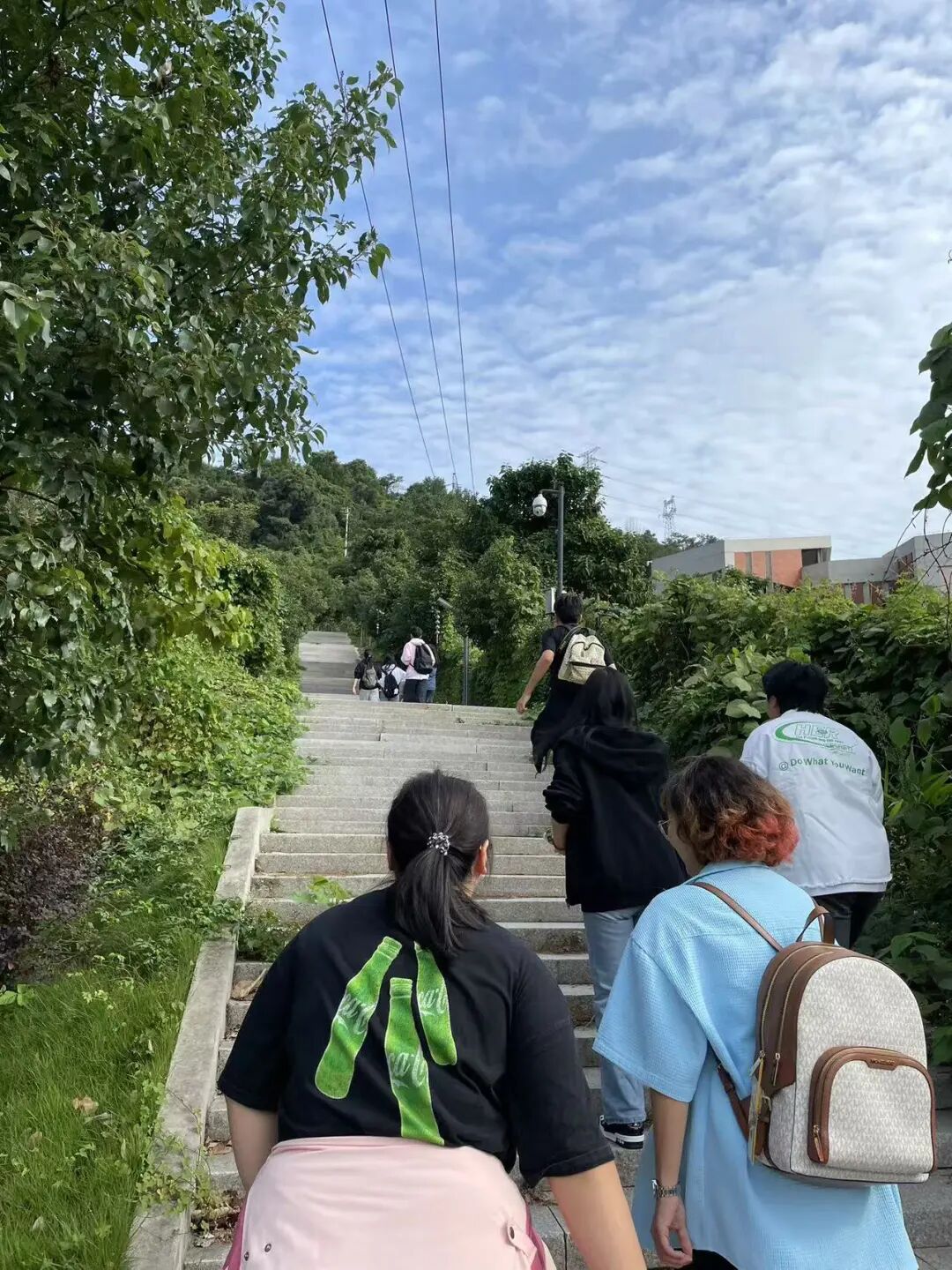
Amid the lush greenery of Bijia Mountain, young WKU students crane their necks, bend low, or focus intently through camera lenses as they weave through dense fern thickets, the fresh campus vibe wrapping around the verdant foliage.
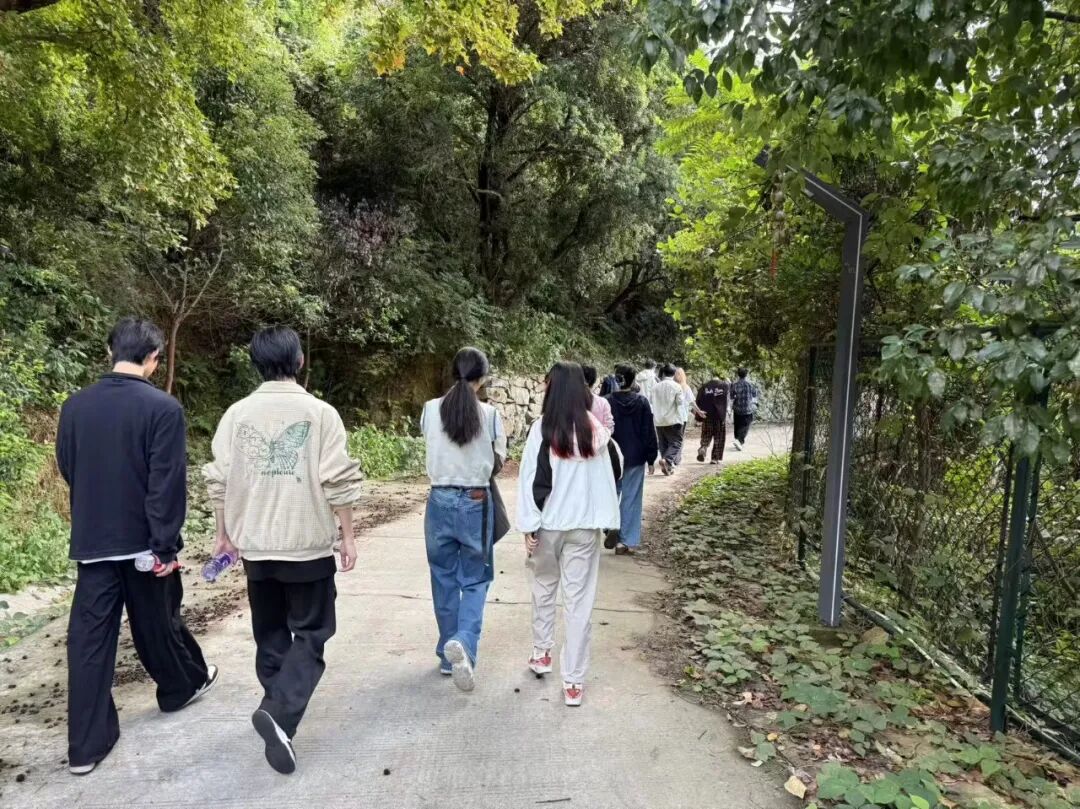
Similar scenes unfold every Monday and Wednesday morning. Each academic year, senior students from the Environmental Science and Biology programs embark on a course titled "Field Biology: Terrestrial Systems," which takes them into nature. Since its launch, their practical explorations have spanned lakes, wetlands, and mountain forests surrounding the campus.
A Classroom Without Walls: Mountains, Lakes as Learning GroundsLaunched in 2023, this 4-credit course is a mandatory requirement for Environmental Science majors and an elective for seniors in Biological Science. Taking nature as its classroom, it integrates interdisciplinary investigations across biology, ecology, and natural sciences.
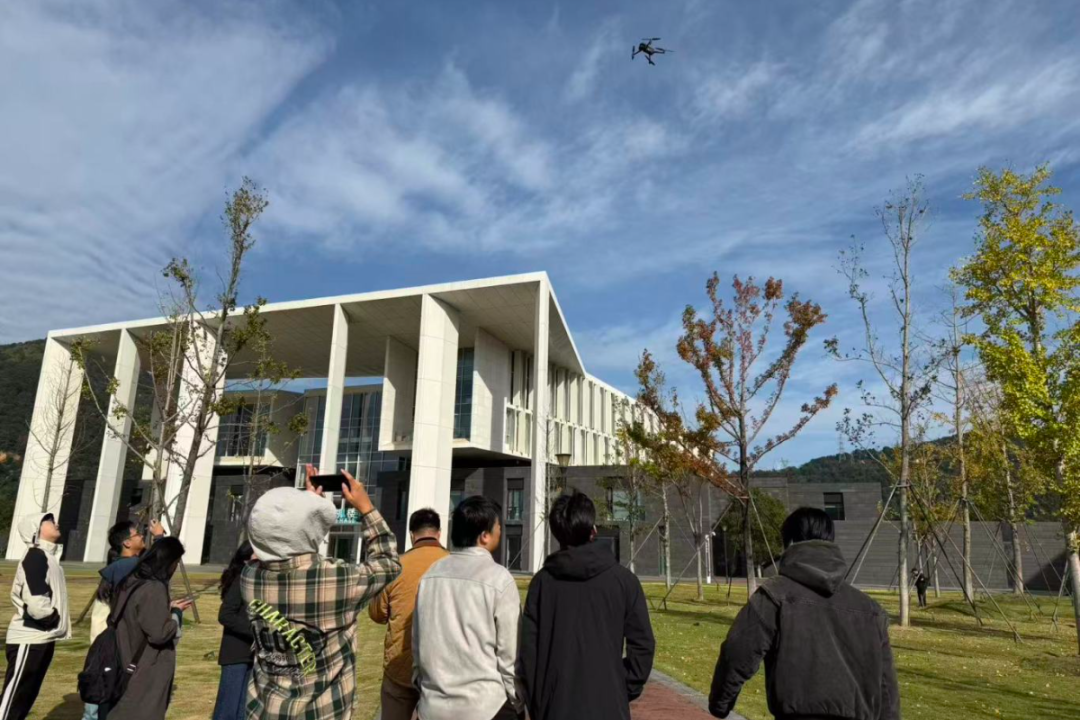
Assessment is flexible, including a field biology sketchbook, a biology documentary, and a research lab report. To boost engagement, beyond traditional lectures, outdoor practice, and lab work, drone training was added this year—seamlessly blending remote sensing, aerial photography, and high-altitude intelligent detection to equip students with cutting-edge field research tools and foster comprehensive disciplinary application skills.
"This is an exploration course that encourages students to put down their phones and see the real world," said course coordinator Heriberto Vélëz (Eddy), a faculty member of the College of Science, Mathematics, and Technology. "Students can independently choose objects to observe and research, then raise questions. Every plant, fungus, and insect around the campus is a natural research subject. Only by observing carefully in daily life can they truly appreciate the unique charm of biology."
A Course Powered by Curiosity: Learning Through QuestionsHave you ever noticed yellowish-brown spots on plant leaves around campus and wondered what causes such diseases? This is one of the exploratory questions Eddy poses to his students. During a casual walk in early August, he observed a diseased plant and immediately turned the discovery into a course theme.
With this question in mind, 15 teachers and students collected samples of diseased hydrangea-plants and brought them back to the lab, initially speculating that a type of fungus was the culprit. Through sterile tissue isolation, DNA extraction, PCR amplification of fungal DNA fragments, and sequencing verification, they identified the pathogenic fungus feeding on the plant tissue. Finally, sequence comparison confirmed that the isolated fungus matched the one previously identified by Chinese researchers as causing hydrangea diseases.
In the Field Biology classroom, there are many instances of "problem-based learning" that begin with observing the surrounding ecosystems. In their final presentations, one group utilized time-lapse photography to show ants feeding on a moth’s corpse and consuming its soft tissues, thereby demonstrating interspecific feeding relationships. Another group set up artificial rearing environments to conduct targeted observations and experiments on the feeding preferences, nesting patterns, and division of labor of ant colonies over several weeks.
"We encourage students to choose observation objects they are interested in. Their topics may seem playful, but the research process proceeds in an orderly manner following scientific logic," Eddy noted.
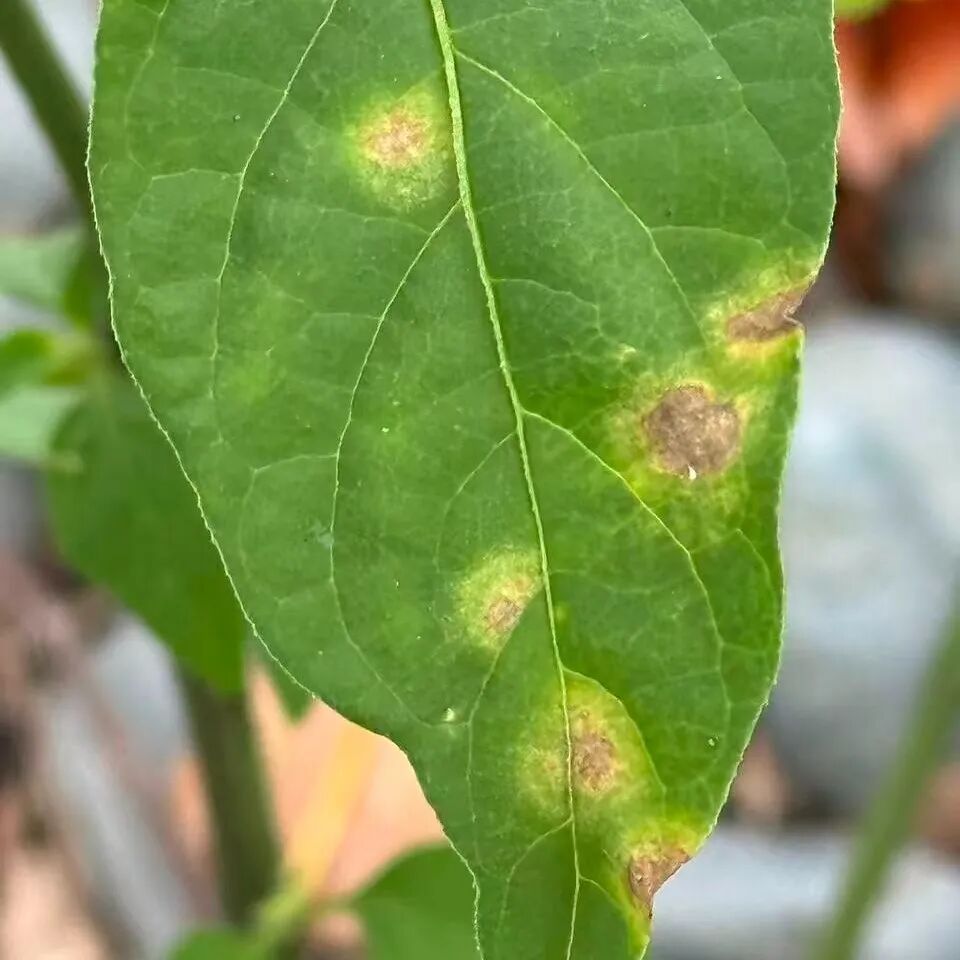
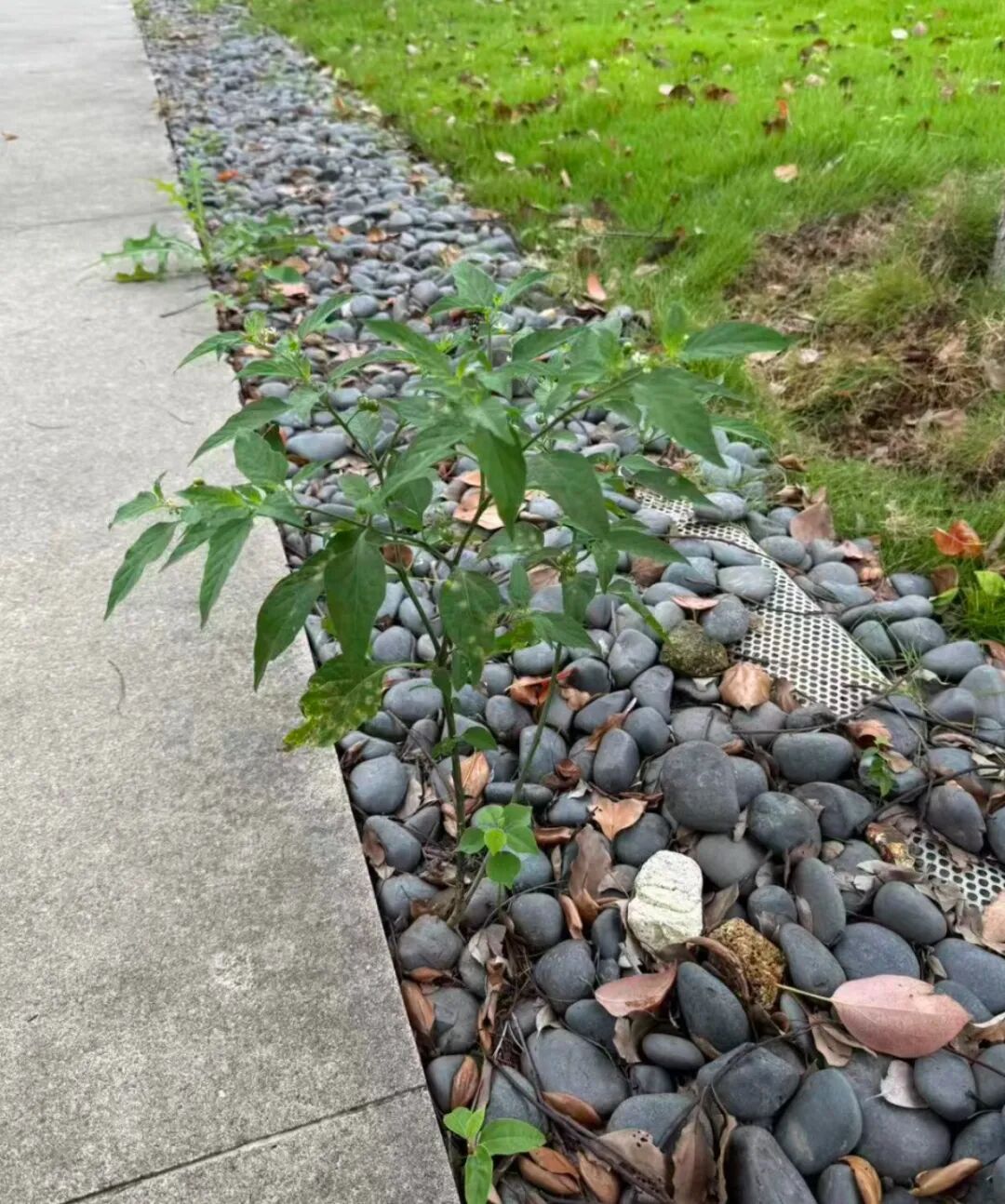
Hydrangea-plants
Fan Minyu, a Biological Science student, once took the growth process of silkworms as his observation topic. "We adopted quantitative measurement methods to record key growth data, including changes in individual length and the time of growth stage transitions, forming continuous observation records. Using periodic observation data, we initially plotted the silkworms’ growth curves," he explained. Fan added that turning more than two months of observations into a final documentary brought an unforgettable sense of accomplishment.
Fieldwork with Tech Boost: Where Practical Skills Take ShapeTracking whale migrations, observing bird nesting in ancient buildings... Did you know these classic field biology studies are actually enabled by drone tracking? When traditional field surveys struggle to cover large areas, drones support aerial observation, efficiently tracking the populations of flora and fauna, and monitoring ecological changes.
Since the fall semester of 2025 and with the help of Dr. Shuyang Xu, drone training has been integrated into the course as a featured module. In class, students not only master basic operations such as drone takeoff and landing, route planning, and image shooting but also learn to reconstruct 2D images into 3D campus model using software. It intuitively presents the campus’s spatial layout and ecological distribution, making field biology practice more tech-savvy and efficient.
Especially when researching ecological issues, with panoramic image data as support, more energy can be focused on in-depth analysis, exploring ecological evolution laws, and formulating targeted solutions.
"In the future, the course will organize students to use drones to photograph the campus and nearby North and South Mountains, observing vegetation distribution and animal activity trajectories, with a focus on monitoring the death of pine trees and other mountain vegetation to provide image data for ecological analysis," Eddy said.
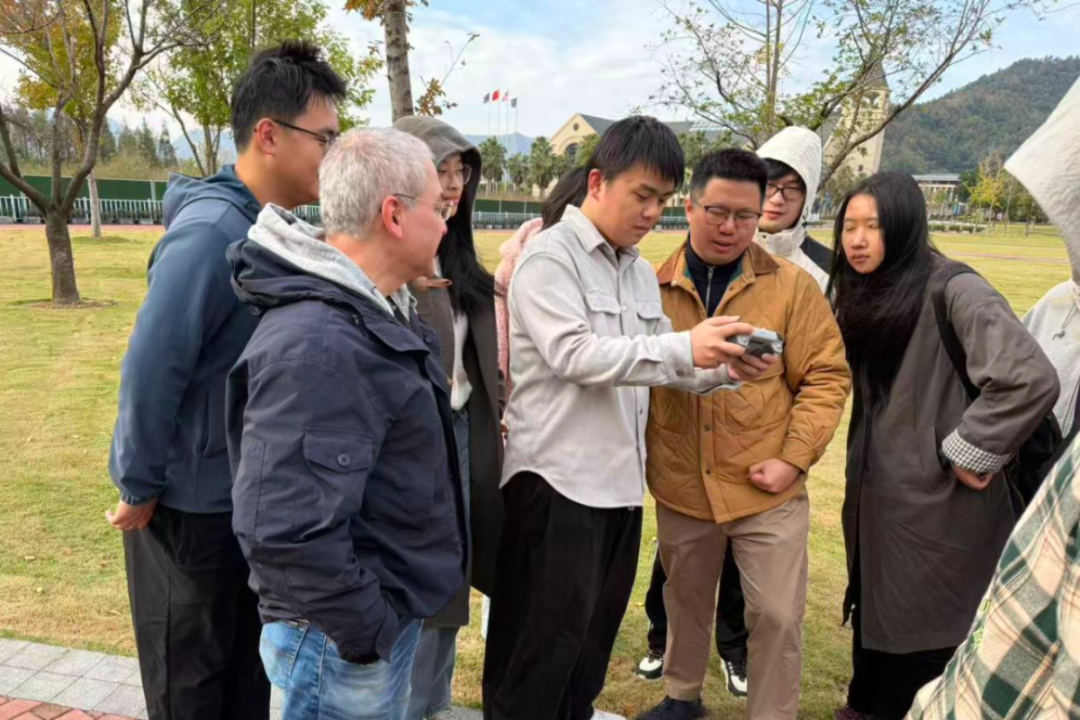
He hopes that disease prevention and control research on dying trees will advance in future courses. With drones acting as "aerial doctors" to monitor mountain forests in real time, record diseases as they occur, and detect infected trees through intelligent algorithms, precise prevention and control of pine wilt disease and other ailments will be achieved. This is already being done by other universities in China and the USA, so training our students in this technology makes sense.
Although the course lasts only one semester, students' scientific research exploration in field biology continues. America Luna, an exchange student from Kean University, took this course during her exchange at WKU this year. She developed a genuine interest and desire to learn in the course, and plans to study the local flora and birds of her region as soon as she returns to the Union campus in the United States. Zhe Yizhou, a junior majoring in Biology, drew inspiration during field surveys and decided to focus his research on the temperature response mechanisms of wild-collected Solanaceae plants. He stated that the course provided systematic training for conducting field biology-related research and accumulated a solid knowledge reserve for subsequent in-depth research on the transcriptome of wild plants.
As Eddy, the course coordinator, said: "This will be a course that has a lasting impact on students. When they independently discover and solve problems, explore interdisciplinary areas incrementally, and ultimately summarize new discoveries, the sense of accomplishment is unforgettable. This kind of growth is more meaningful than mere knowledge memorization." The Field Biology course, which allows students to experience the real world, will also keep innovating and benefit more students.
- Wenzhou-Kean University Secures Joint First Place in Zhejiang with Three Intangible Cultural Heritage Projects

- University–Industry Collaboration Earns International Recognition Again! WKU Interdisciplinary Project Wins the Red Dot Award: Design Concept

- The 4th Zhejiang-New Jersey STEAM Innovation Education Conference held at Wenzhou-Kean University

